Plastic Surgery · Body Contouring

Liposuction Singapore: Personalised Body Contouring at Dream Plastic Surgery

Find out more about liposuction treatment in Singapore, including how the procedure works and the factors considered when assessing suitability and planning treatment, such as fat distribution, skin quality and body proportions.

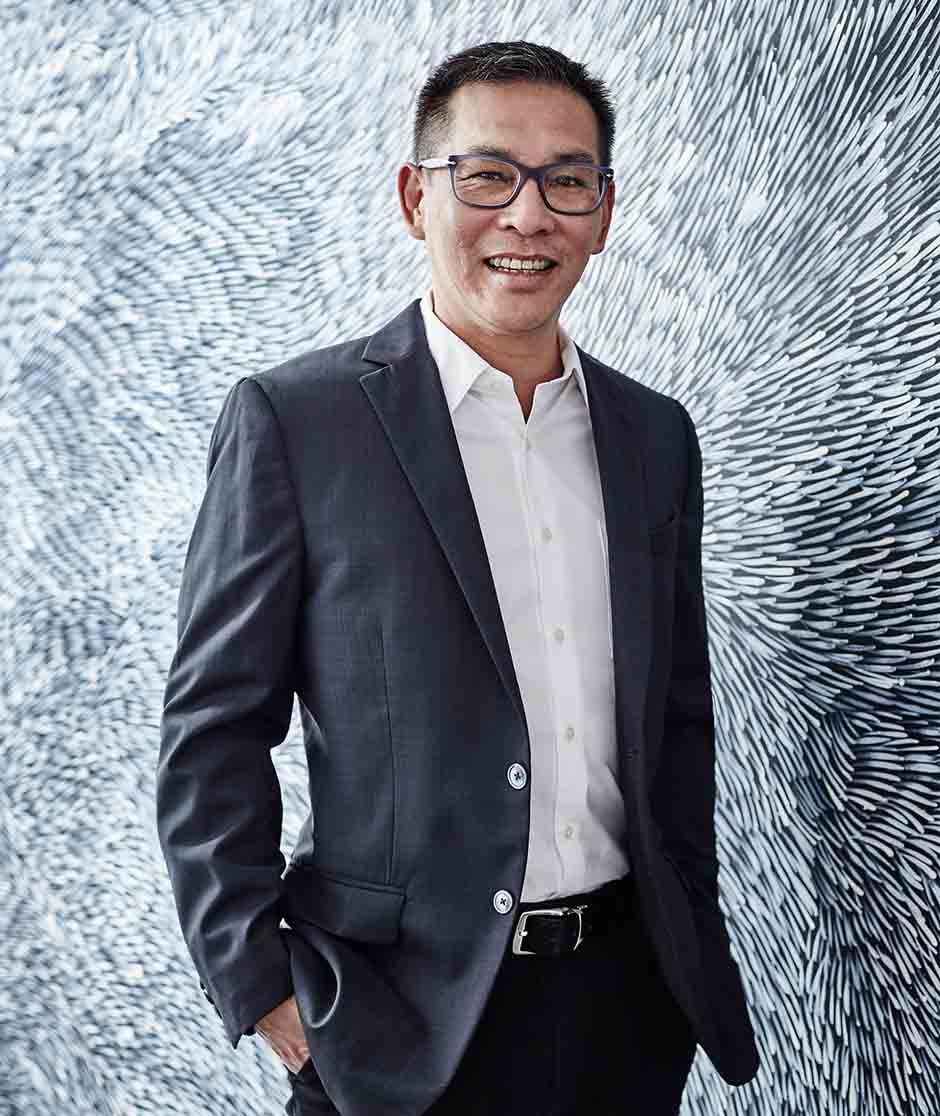
A/Prof Vincent Yeow

  • Board Certified Plastic Surgeon
  • More Than 25 Years of Clinical and Surgical Experience
  • Fellow of the Academy of Medicine, Singapore
Model in a fitted black dress with arms raised, illustrating body contouring

Liposuction in Singapore: Quick Overview

Liposuction is a surgical body contouring procedure that removes localised fat from areas such as the abdomen, waist, thighs, arms, back and chin. It is intended for body contouring rather than weight loss and may be considered when localised fat remains despite diet and exercise.

  • Type: Surgical removal of localised fat for body contouring, not weight loss
  • Areas that may be treated: Abdomen, waist, thighs, arms, back, chin, buttocks, calves and selected areas of the chest
  • Techniques: Ultrasound-Assisted Liposuction (UAL), Power-Assisted Liposuction (PAL) and Laser-Assisted Lipolysis (LAL)
  • Anaesthesia: The type of anaesthesia will depend on the surgical plan and individual requirements
  • Recovery: Light activities may be resumed gradually during the initial recovery period, while swelling can continue to settle over the following weeks
  • Suitability: Assessed by a plastic surgeon based on factors such as your health, anatomy, treatment areas and goals

Liposuction may be considered for selected areas of localised fat. The extent of change and recovery varies between individuals and depends on factors such as the treatment area, skin quality, amount of fat removed and overall surgical plan.

Quick Facts

Procedure Time
Around 1.5 to 2 hours per area, depending on the extent of treatment
Anaesthesia
May involve general anaesthesia, depending on the treatment plan
Recovery Period
Around 10 to 14 days, although recovery varies
Hospitalisation
Same-day discharge or an overnight stay may be considered
Stitch Removal
Around 7 days after surgery, if non-dissolvable stitches are used

What Is Liposuction?

Localised fat may remain in certain areas despite regular exercise and a balanced diet. Areas such as the abdomen, thighs, arms and waist may be less responsive to lifestyle changes.

Liposuction is a surgical body contouring procedure that removes localised fat from selected areas of the body. It is used for body contouring rather than as a general weight loss treatment.

Diagram showing layers of skin and fat, a cannula removing fat cells, and the area after fat removal

During the procedure, the surgeon makes small incisions and inserts a thin tube called a cannula to loosen and remove fat through suction. Depending on the assessment and treatment plan, liposuction may also be performed alongside other body contouring procedures.

In some cases, the removed fat may also be prepared for fat grafting, depending on the treatment plan.

Common Concerns Liposuction May Address

Stubborn Fat That Remains Despite Lifestyle Changest Here

Some areas of the body can retain localised fat even with regular exercise and a balanced diet. Liposuction may be considered for selected areas where localised fat remains.

Fat Around the Abdomen, Waist or Thighs

Localised fat around the midsection or lower body can affect overall body proportions. Liposuction may be used to remove selected deposits of fat and contour these areas.

Fullness Around the Arms, Back or Chin

Smaller areas of localised fat may also be considered for liposuction where appropriate. Your surgeon will assess factors such as the amount of fat, skin quality and surrounding contours when discussing suitability.

Unsure Whether Liposuction Is Right for You

Liposuction is not intended for significant weight loss. An assessment can help determine whether the concern is mainly related to localised fat or whether another body contouring procedure may be more appropriate.

Who May Consider Liposuction?

Liposuction may be considered by people with specific areas of localised fat that remain despite diet and exercise.

You may consider discussing liposuction with a plastic surgeon if you:

  • Have localised areas of fat that remain despite lifestyle changes
  • Are considering body contouring rather than significant weight loss
  • Have realistic expectations about what the procedure can and cannot achieve
  • Are generally in suitable health for surgery
  • Are able to maintain a stable weight and healthy lifestyle after treatment

Before proceeding, a medical consultation is needed to understand the procedure, its limitations and potential risks.

Your surgeon will also review your concerns, medical history, body proportions and treatment goals to determine whether liposuction may be suitable for you.

Can Liposuction Be Used for Medical Conditions?

Although liposuction is often associated with cosmetic body contouring, it may also be used in selected medical situations. In selected cases, liposuction may also form part of the treatment of certain medical conditions. Examples may include:

  • Some lipomas
  • Gynaecomastia where excess fatty tissue is present
  • Selected cases of chronic lymphoedema involving excess fatty tissue

The treatment approach depends on the underlying condition and requires medical assessment to determine whether liposuction is appropriate.

Areas That Can Be Treated With Liposuction

Liposuction may be used in different areas of the body where localised fat is present. Treatment areas may include:

Illustration of common liposuction treatment areas on the body
  • Abdomen
  • Waist and love handles
  • Inner and outer thighs
  • Arms
  • Back
  • Chin and neckline
  • Buttocks
  • Calves
  • Chest, including selected cases of accessory breast tissue where fatty tissue is present

The number and combination of areas that may be treated will depend on your anatomy, overall health and treatment plan.

To Find Out More About Treatable Areas, Contact Us to Arrange a Consultation

Liposuction Techniques

There are several methods of liposuction. After your assessment, the surgeon may discuss an appropriate technique based on factors such as the treatment area, tissue characteristics and your treatment goals.

  • Diagram of ultrasound-assisted liposuction, showing a cannula delivering ultrasound energy into the fat layer

    Ultrasound-Assisted Liposuction (UAL)

    Ultrasound-assisted liposuction uses ultrasound energy delivered through a specialised cannula to help break down and liquefy fat before removal. This technique may be considered for selected areas with denser or more fibrous tissue, such as the male chest or back.

  • Diagram of power-assisted liposuction, showing a mechanised cannula loosening fat beneath the skin

    Power-Assisted Liposuction (PAL)

    Power-assisted liposuction uses a mechanised cannula that moves rapidly to help loosen fat before it is removed through suction. It may be used for selected body areas or larger treatment areas, depending on the surgical plan.

  • Diagram of laser-assisted lipolysis, showing laser energy delivered through a small fibre into the fat layer

    Laser-Assisted Lipolysis (LAL)

    Laser-assisted lipolysis uses laser energy delivered through a small fibre to help break down fat before removal. The laser also produces a thermal effect within the treated tissue.

    Whether this technique is appropriate will depend on factors such as the treatment area, skin condition and your surgeon’s assessment.

Which Liposuction Technique Is Right for Me?

There is no single liposuction technique that is suitable for everyone. Your surgeon will assess factors including:

  • The area you would like treated
  • The amount and distribution of fat
  • Your skin quality
  • Your body proportions
  • Your medical history
  • Your treatment goals

The appropriate technique will be discussed with you during your consultation.

Discuss Your Liposuction Options

What to Expect From Liposuction in Singapore

Liposuction is generally performed as day surgery, although the setting and length of stay will depend on the extent of the procedure, anaesthesia and your medical needs.

01

Before Your Liposuction Procedure

Before surgery, you will receive instructions on how to prepare. This may include:

  • Guidance on fasting
  • Advice on medications or supplements
  • Arranging transport home after surgery
  • Discussing your medical history and any existing conditions
  • Confirming the areas to be treated

Your surgeon will also explain what to expect during the procedure and recovery.

02

On the Day of Surgery

  • Before the procedure begins, the surgeon will mark the planned treatment areas. Clinical photographs may also be taken for medical documentation.
  • Anaesthesia will then be administered, and your vital signs will be monitored.
  • Small incisions are made so that the cannula can be inserted into the treatment area. Fat is then loosened and removed through suction according to the surgical plan.
  • Procedure time varies depending on the number and size of areas being treated and the extent of fat removal.
  • After the procedure, the incisions are closed where appropriate, and a compression garment may be fitted.

03

After Liposuction

  • Temporary swelling, bruising, tenderness and soreness may occur during the early recovery period.
  • You may be advised to wear a compression garment for a period of time while the treated areas heal and swelling settles.
  • Follow-up appointments may be arranged so that your recovery can be monitored and further guidance provided.
  • Returning to light activities may be possible within one to two weeks, although recovery varies depending on the extent of surgery and the areas treated.

Liposuction Recovery and Aftercare

Recovery varies from person to person and depends on factors such as the treatment areas, amount of fat removed and extent of surgery.

Example of a post-surgical compression garment
A compression garment may be advised while the treated areas heal and swelling settles.
  1. First few days

    The First Few Days

    Swelling, bruising, soreness and tightness around the treated areas are common. Your surgeon will advise you on wound care, medication, movement and the use of your compression garment.

    Light movement may be encouraged as part of recovery, while strenuous activity should be avoided until advised otherwise.

  2. About 1 to 2 weeks

    Returning to Work

    Return to desk-based work may be possible within about 1 to 2 weeks, although this varies according to the treatment areas, extent of surgery and individual recovery.

  3. Gradually, as advised

    Returning to Exercise

    Physical activity should be increased gradually. Your surgeon will advise when it is appropriate to resume more strenuous exercise based on your recovery progress.

  4. Weeks to months

    When Will I See the Results?

    Changes in body contour may become more noticeable as swelling gradually decreases. The treated areas can continue to settle over the following weeks or months, so the final outcome should not be judged immediately after surgery.

To Learn More About Recovery, You May Contact Us With Your Enquiries

Liposuction Versus Tummy Tuck

Liposuction and tummy tuck surgery can address different concerns around the abdomen.

Liposuction

Primary focus
Liposuction primarily removes localised deposits of fat.
What it does not do
It does not remove significant amounts of loose skin or tighten the abdominal wall.

Tummy Tuck

Primary focus
A tummy tuck may be considered when the main concerns include excess abdominal skin, laxity or changes to the abdominal wall.

Some people may have a combination of concerns. A consultation can help determine whether liposuction, a tummy tuck or another approach may be appropriate.

Contact Us to Learn More About Liposuction and a Tummy Tuck

How Much Does Liposuction Cost in Singapore: What Affects the Price?

The cost of liposuction in Singapore varies depending on the treatment plan. Factors that may affect the overall cost include:

  • Treatment Area: Larger treatment areas or multiple areas may involve a different surgical plan compared with treating one smaller area.
  • Liposuction Technique: The technique used for the procedure may affect the overall fee.
  • Anaesthesia: Anaesthesia requirements vary according to the procedure and treatment plan.
  • Surgical Facility: Operating theatre and facility charges may form part of the overall cost.
  • Aftercare: Compression garments, prescribed medication and follow-up care may also contribute to the overall cost.

The final cost can be discussed after an assessment of the treatment areas, surgical plan and individual requirements.

Find Out Whether Liposuction May Be Suitable for You

If you are considering liposuction for the abdomen, thighs, arms, waist or another area, a consultation may help clarify whether the procedure is appropriate for your concerns, anatomy and treatment goals.

During the consultation, the surgeon may assess the treatment area, skin quality, fat distribution, medical history and other factors that may affect suitability.

Our Approach to Liposuction at Dream Plastic Surgery

At Dream Plastic Surgery, liposuction is performed by A/Prof Vincent Yeow, a board-certified plastic surgeon whose practice includes liposuction and body contouring.

Personalised Assessment

Your areas of concern, body proportions, medical history and treatment goals are reviewed as part of the assessment before liposuction is considered.

Treatment Planning Based on Your Needs

The areas to be treated and the liposuction technique used will depend on factors such as your anatomy, fat distribution, skin quality and treatment goals.

Different Liposuction Techniques

Depending on the assessment, techniques that may be considered include Ultrasound-Assisted Liposuction, Power-Assisted Liposuction and Laser-Assisted Lipolysis.

Follow-Up During Recovery

Follow-up appointments allow the medical team to monitor your recovery and provide guidance as swelling, bruising and discomfort settle.

The consultation also provides an opportunity to discuss what liposuction may and may not address, the areas being considered for treatment and what to expect during recovery.

Your Plastic Surgeon at Dream Plastic Surgery

A/Prof Vincent Yeow

MBBS (Singapore), FRCS (Edinburgh), FRCS (Glasgow), FAMS (Plastic Surgery)

A/Prof Vincent Yeow is a board-certified plastic surgeon with more than 25 years of clinical and surgical experience. He is a Fellow of the Academy of Medicine, Singapore.

His career spans plastic, reconstructive and aesthetic surgery. He has served as:

  • President of the Singapore Association of Plastic Surgeons
  • Chairman of the Chapter of Plastic Surgeons at the College of Surgeons Singapore
  • Head of the Department of Plastic, Reconstructive and Aesthetic Surgery at KK Women’s and Children’s Hospital, where he was appointed to establish and lead the department

His approach to treatment planning considers factors such as anatomy, clinical needs and treatment goals. Suitability, expected outcomes and limitations are discussed as part of the consultation.

Frequently Asked Questions About Liposuction in Singapore

After the administration of general anaesthesia, patients usually remain under observation for 2 to 3 hours before being discharged. Most patients can get back to office work within 4 to 5 days after liposuction procedure. Patients are able to return to normal physical activities as soon as 1 week after tumescent liposuction, as there is significant decrease in swelling, inflammation and pain.

Following the day or two after liposuction, the pain and discomfort experienced by the patient depends on the type of anaesthesia used and the procedure technique. Soreness is generally at peak 2 to 4 days after liposuction and it gradually reduces afterwards.

Your doctor will prescribe pain medications and anti-inflammatory drugs to ease the pain and discomfort during the recovery period. Majority of the pain and discomfort subsides after the first week.

A patient may continue to experience mild tenderness and soreness for up to one month; however, it gradually subsides over the next month or two.

During the post-surgical recovery period, patients are advised to wear the compression garment for the initial 10 to 14 days. If swelling is reduced and they feel minimal pain and discomfort, they can wear it for shorter hours for another 1 week to aid recovery.

Yes, you can return home soon after the recovery from anaesthesia. However, you are advised not to drive any vehicle and have a companion or family member drive you home. It is suggested that you avoid driving for the initial 24-48 hours after the procedure.

Liposuction is usually an outpatient procedure, which means you can return home the very first day after the surgery. However, in cases where a lot of fat is removed from your body, usually over 2 litres, you will be required to stay at the hospital for at least 24 hours under observation.

The skin appearance following the procedure depends on various factors – including age of the patient, skin’s elasticity, amount of fat removed, and any previous health condition. A patient with good skin elasticity should have a smooth and natural-looking skin after the surgery.

Post-surgical scars are usually hidden along natural folds of the skin or areas which are less noticeable. The scars fade and blend into the surrounding skin over time.

The time required for swelling to subside and final results depends on the specific liposuction technique used by the surgeon. If “open-drainage” technique is used by the surgeon, where stitches are not used to close the incisions, then most patients can expect more than 90% of the swelling resolved within a month. If the surgeon uses stitch-closure technique, then a patient may need to wait for 8 to 10 weeks for swelling to subside fully.

In usual circumstances, patients are not confined to bed after the liposuction procedure. To minimize the risk of blood clotting in lungs or legs, surgeons advise patients to take slow walks after the surgery. The blood circulation from slow walks not only helps to prevent blood clots, it also helps to reduce swelling and water retention after the procedure.

Most patients can return to office or desktop-based work within 4 to 6 days after the surgery. In most cases, tenderness, soreness, and mild discomfort will remain for another week or two, and these may limit the speed with which a patient can move about. Most patients should feel comfortable while working at a computer or sitting at a desk.

All patients should be physically ready to walk around inside the house and take short walks around the area within one to two days after surgery. Staying in bed and not doing light physical activity increases the danger for blood clotting in the legs and lungs.

Most patients can resume their normal household works and physical activity within a couple of days after liposuction. At first, patients should not perform an excessive amount of activity. It is suggested that patients begin their workout routine by doing about 25% of their usual activity, and from there increase their day by day practice as tolerated.

Fatty tissue by nature isn’t extremely thick or heavy, thus removing a few litres of fat from your belly or legs won’t bring about huge weight reduction. However, the difference will be observed in your body shape and contour.

You may even experience a small increment in weight in the postoperative period because of the intravenous fluids given during surgery. Liposuction isn’t a treatment option for obesity. The procedure ie meant to eliminate stubborn fat deposits and alter body proportion that is otherwise not possible with diet control or exercise.

Liposuction is not meant to treat any kind of obesity.

Liposuction – as a fat-reduction technique – isn’t useful for large weight reduction. It is exclusively a body contouring technique for areas where fat stores have proven to be resistant to dieting and regular exercise. The best outcomes from surgery happen in body areas where fat is not excessive, muscle tone is reasonable, and skin has good elastic quality.

In certain cases where there is a critical loss of skin elasticity, appropriate corrective procedures for skin tightening and liposuction may be combined to eliminate the loose fatty tissue and saggy skin.

Liposuction is an effective way to remove fat cells permanently. The fat cells that are taken out by liposuction can never return. However, remaining fat cells may expand in size if the patient gains a lot of weight.

If the body weight increases more than 10%, one can expect new fat cell development in various body areas – including the ones recently treated by liposuction. Individuals who are susceptible to major weight fluctuations can quickly develop a large number of fat cells (lipocytes).

Hence, maintaining a healthy diet and lifestyle is key to prolonging the results from the liposuction procedure.

Usually, fat does not return in treated areas – given that the patient doesn’t acquire a lot of weight after the surgery.

If a patient acquires a lot of weight, fat can get back to a body area recently treated by liposuction. However, the level of fat accumulation in a formerly treated area will be proportionately less than untreated areas.

The cost of liposuction in Singapore is influenced by several factors, primarily the number of treatment areas and the methods used during the procedure. Each individual has unique needs and goals, which means the overall cost will vary accordingly.

Factors such as the size of the targeted area, the volume of fat to be removed, and the patient’s body composition also play a significant role in determining the total cost. For instance, treating larger areas or multiple sites may require more time and resources, which can increase the final cost.

On average, the cost of liposuction ranges from $3,000 SGD to $5,000 SGD per area, with total expenses potentially reaching between $5,000 SGD to $25,000 SGD. A detailed consultation is necessary to assess the patient’s condition and provide a personalised breakdown of costs.

Liposuction surgery is generally safe and should be carried out by an experienced and well-trained plastic surgeon. The patients must discuss any pre-existing medical conditions with the surgeon and talk to them about the surgery goals they have in mind before deciding to undergo the procedure.

In addition, liposuction surgery should be used as a way to achieve better body contours and not a procedure for weight loss.

Disclaimer

All surgical procedures carry risks. Outcomes and recovery vary from person to person. The information provided here is for general education and should not replace medical consultation with a qualified professional.