
Titanium Lifting
Titanium Facelift Treatment in Singapore
What Is Titanium Facelift Treatment
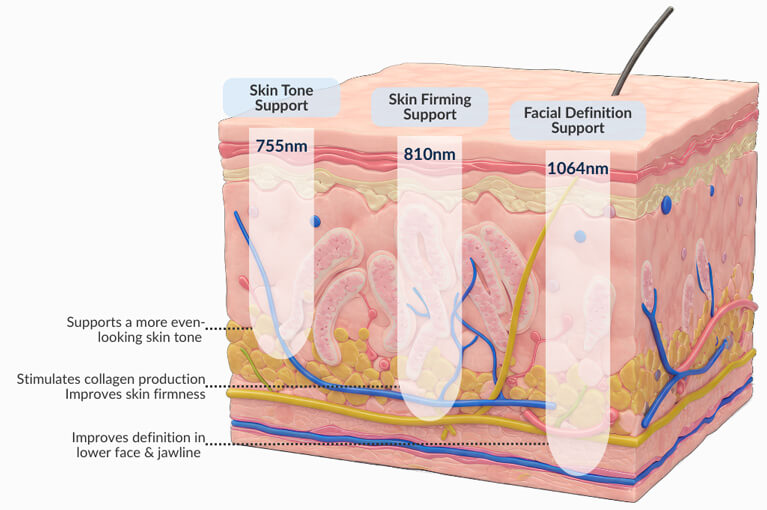
Titanium facelift treatment is a non-invasive laser-based treatment that delivers energy through three wavelengths simultaneously, 755 nm, 810 nm, and 1064 nm. These wavelengths work at different skin depths and are used to support skin firmness and overall skin quality.
How Does Titanium Lifting Work
Titanium lifting delivers controlled thermal energy into targeted layers of the skin. This thermal effect supports the skin’s natural renewal processes. As the skin responds, collagen activity can increase over time, contributing to gradual improvements in firmness and texture.
Treatment Delivery Modes
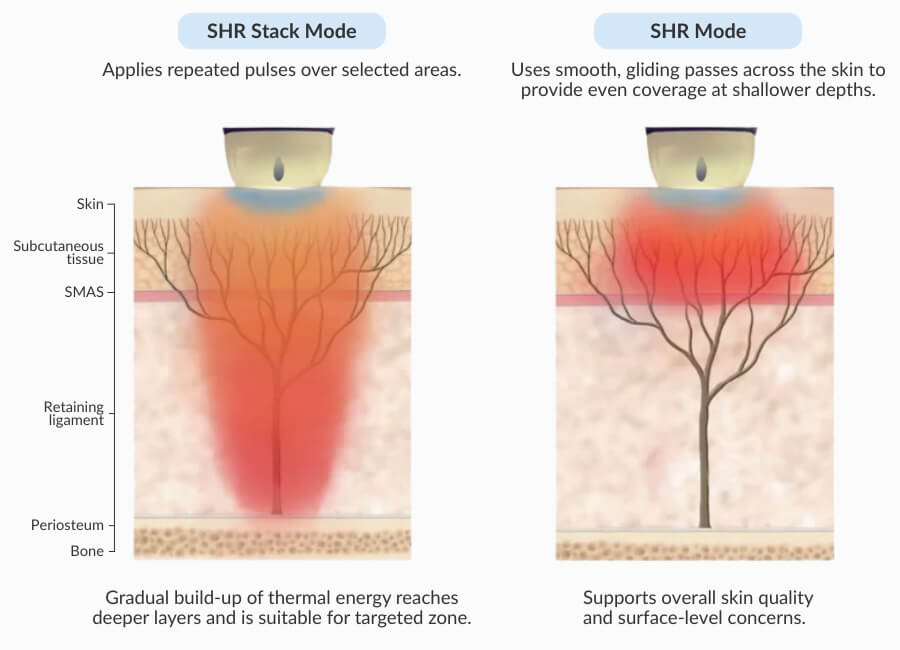
Titanium lifting can be performed using two delivery modes, depending on the areas being treated and the desired depth of energy.
Common Areas Treated
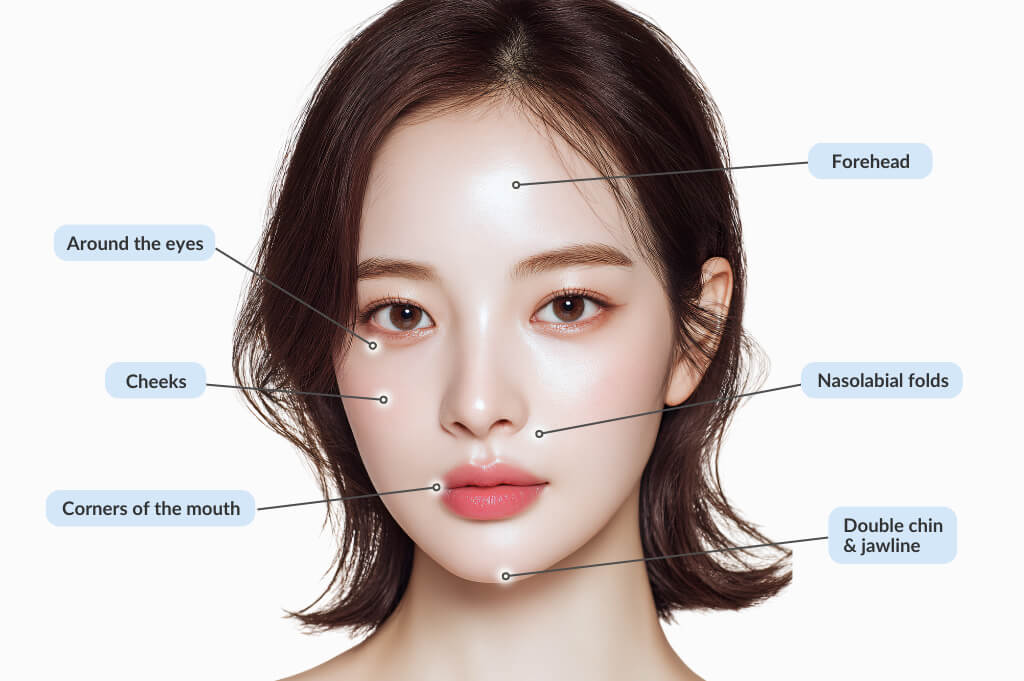
Titanium lifting is commonly performed on areas where early skin laxity or reduced definition may be noticed, such as:
- Face
- Jawline
- Chin area
- Neck
Is Titanium Lifting Suitable for Me
Titanium lifting may be considered by people who:
- Notice early signs of ageing or reduced skin firmness
- Prefer a gradual and non-surgical approach
- Want to support skin texture and tone as part of a maintenance plan
- Prefer minimal interruption to daily routine
Who May Not Be Suitable
What To Expect During the Procedure
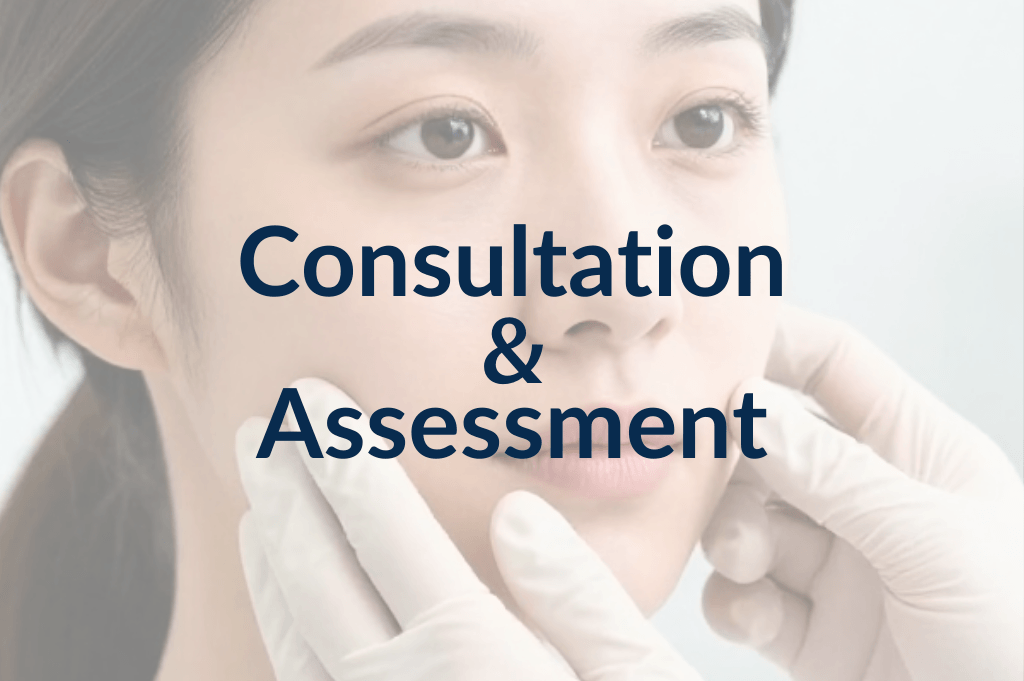
Your doctor will review your skin condition, discuss your concerns, and determine whether Titanium lifting is appropriate for you. This step helps ensure the treatment plan matches your goals and skin needs.
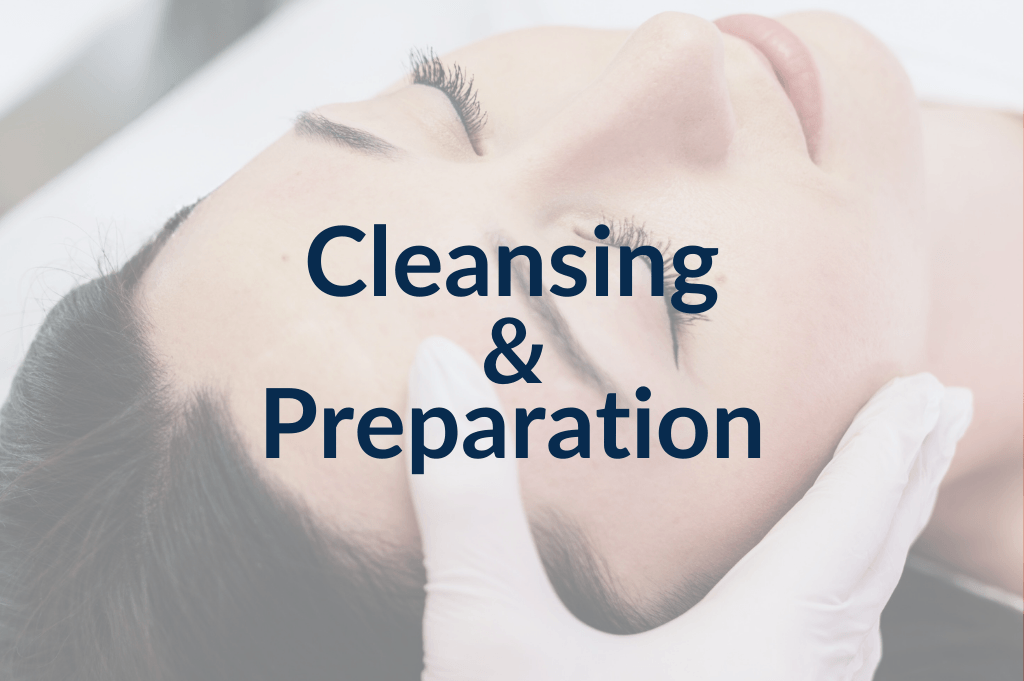
The treatment area is cleansed. A conductive gel is applied to support smooth and consistent energy delivery across the skin.
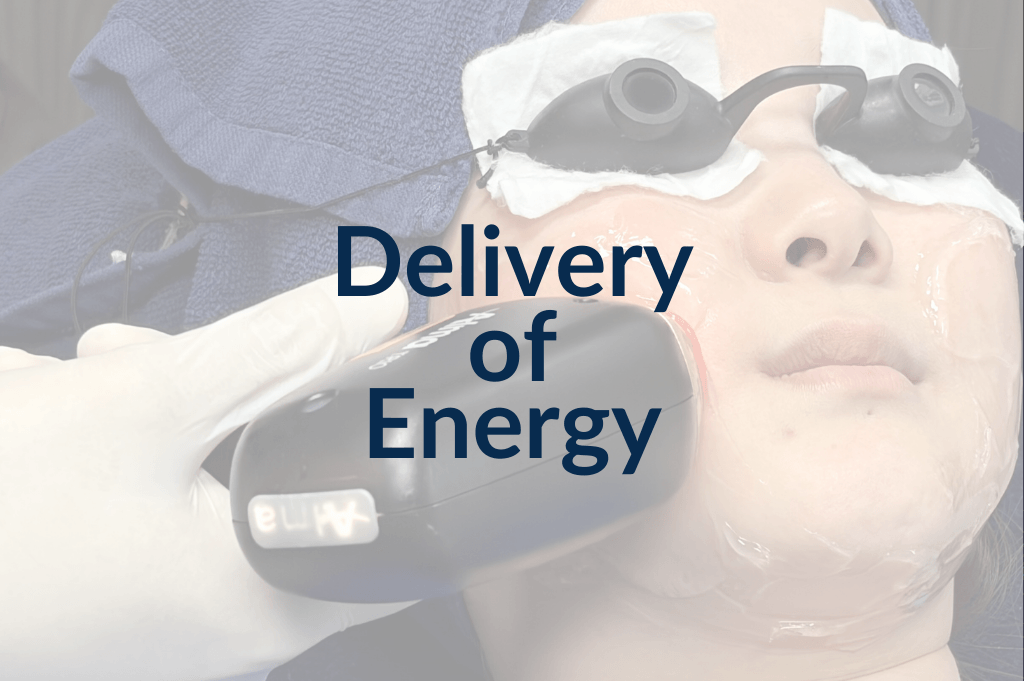
The handheld device is placed over the skin to deliver controlled thermal energy at planned depths. You may feel warmth or a light tingling sensation as the energy is applied.
Most people return to their usual activities shortly after the session. Your doctor will provide aftercare guidance based on your skin condition and any other treatments you may be undergoing.
Aftercare Guidance
General post-treatment advice may include:
- Use sun protection
- Keep skincare gentle for a few days
- Avoid excessive heat exposure such as sauna or steam rooms for a few days
- Avoid harsh exfoliation until the skin has settled
Your doctor will tailor advice to your skin needs and any concurrent treatments.
How Many Sessions Might Be Recommended
Titanium Lifting Compared With HIFU
Both Titanium lifting and HIFU are non-surgical options commonly considered for skin laxity, but they use different forms of energy and may target different depths.
- HIFU uses focused ultrasound energy and reaches deeper layers beneath the skin surface.
- Titanium lifting uses laser wavelengths that work across varying skin depths depending on the wavelength used.
A doctor consultation can advise which approach aligns better with your concerns, or whether a combined plan is suitable.
Possible Side Effects and Risks
Side effects vary from person to person. Your doctor will explain what is relevant to your skin and medical history. Possible side effects include:
- Temporary redness or swelling
- Temporary sensitivity or tenderness
- Temporary dryness
- Rarely, blistering or pigmentary changes
Seek medical advice if symptoms are persistent or worsening.
Consultation
A consultation helps ensure the treatment is appropriate and that expectations are aligned. During assessment, the doctor reviews your skin condition, medical history, and concerns, then advises a suitable plan and interval.
Disclaimer:
The information on this page is for general education only and is not a substitute for medical advice, diagnosis, or treatment. A consultation is required to determine suitability and to discuss potential risks and expected outcomes.