

Gynaecomastia
Male Breast Reduction Surgery
Shapes the form and appearance of the masculine chest.

Procedure Time
1 – 1.5 Hours

Anaesthesia
General Anaesthesia

Recovery Period
10 – 14 Days

Stitch Removal
7 Days Post-op
What Is Gynaecomastia – Male Breast Reduction Surgery
Gynaecomastia is the medical term for the overgrowth of the mammary glands in males. It is also known as male breasts or man boobs, and it is more common in adolescence, making a man’s chest look like that of a female.
Gynaecomastia is not dangerous or harmful, but it is often psychologically stressful, especially in young men. It is triggered by an increase of female hormones and a reduction of male hormones. Oestrogens stimulate the mammary glands and they develop inappropriately in a man’s body. Thus, the best way to fix it and regain confidence is through breast reduction surgery.
This issue can be very disturbing in young boys and during puberty, when it usually appears. However, male breast reduction surgery is recommended after reaching maturity. At this time, the hormone levels stabilize and allow doctors to make better decisions.
Causes Of Gynaecomastia
Gynaecomastia can develop due to various factors, and understanding these causes is essential in managing the condition effectively. Some common causes include:
1. Hormonal Changes
Hormonal fluctuations play a significant role in the development of gynaecomastia. During puberty, the body experiences an influx of hormones, including oestrogen and testosterone. In some cases, this hormonal imbalance can lead to the temporary enlargement of breast tissue. However, this usually resolves on its own as hormone levels stabilise.
Additionally, older men may also experience hormonal changes as testosterone levels decrease with age. This imbalance can contribute to gynaecomastia, making it more prevalent among older males.
2. Medications
Specific medications can result in gynaecomastia as a potential side effect. Certain drugs, including anti-androgens, anabolic steroids, and certain anti-anxiety medications, have the capacity to disturb the hormonal equilibrium in the body. It’s important to consult with a healthcare professional if you suspect that a medication you are taking is contributing to gynaecomastia.
3. Medical Conditions
Gynaecomastia can also be associated with underlying medical conditions. Conditions such as liver disease, kidney disease, and certain tumors can disrupt hormonal balance and contribute to breast tissue enlargement. Furthermore, obesity is linked to gynaecomastia as excess fat can lead to the production of estrogen, further promoting breast tissue growth.
It’s important to note that gynaecomastia can occur unilaterally (affecting one breast) or bilaterally (affecting both breasts). The extent of breast tissue enlargement can vary from person to person, ranging from a small, localised growth to more extensive breast development.
Candidates for Gynaecomastia Surgery
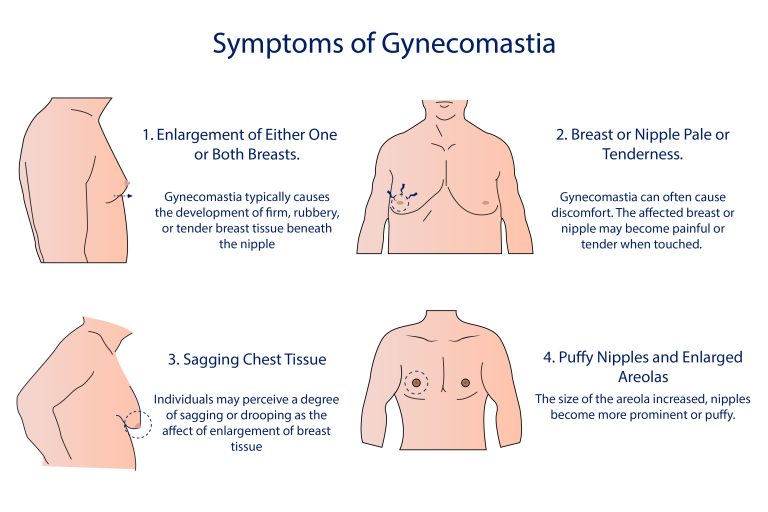
Male breast reduction surgery for gynaecomastia is recommended to fix these issues:
- An overdevelopment of fatty tissue or mammary gland tissue in the male breasts
- Enlarged breasts that bulge forward with a protruded areola
- Hard tissue located in the mammary glands
- Droopy breasts typically found in obese people
- Areola tissue that becomes larger than usual or protrudes forward
How Is Gynaecomastia Surgery Performed in Singapore
We have two different methods for gynaecomastia surgery at Dream Plastic Surgery Singapore and they should be selected according to each patient’s needs.
The first option is liposuction for men, which is particularly effective in cases where excess fat due to obesity is the primary issue. The second method is subcutaneous mastectomy, which is more suitable when fibrous tissue, rather than fat, is present in the breast. In certain cases where both fat and fibrous tissue are involved, a combination of these two techniques may be applied to achieve optimal results.
Breast Liposuction
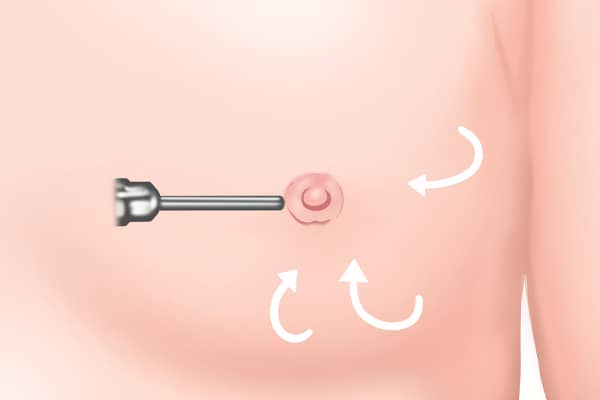
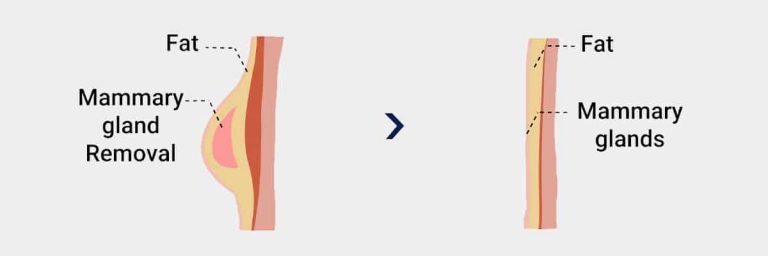
Breast reduction through liposuction is more appropriate when there is intense fat storage in the chest. This is a common cause of gynaecomastia, and the surgical procedure is not difficult. After a small incision in the breast area, surgeons use laser and ultrasound technology to liquefy the excess fatty tissue. It is then removed from the breast. Subcutaneous mastectomy can be performed at the same time if the patient also has mammary gland overgrowth.
Subcutaneous Mastectomy
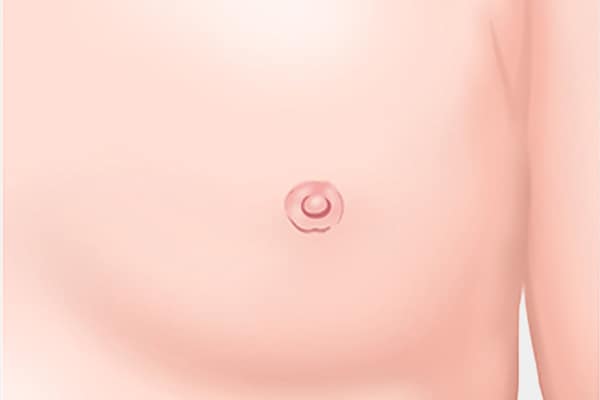
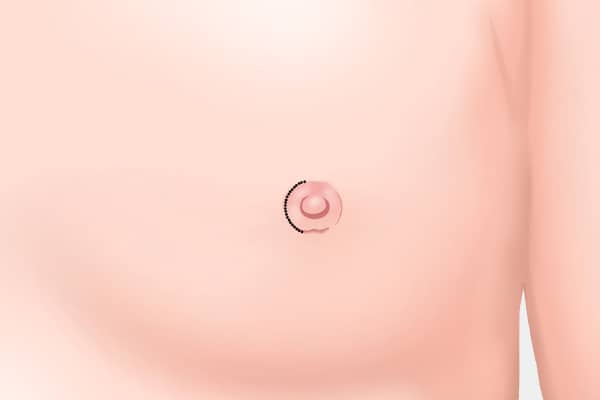
This type of male breast reduction surgery works better when gynaecomastia is associated with an overgrowth of the mammary gland. After a small incision around the nipples, the surgeon detects and removes the excess tissue. The tissue will be removed considering the shape of the chest and adjusting the height of the breast accordingly. This is an effective method to correct protruding nipples, also known as nipple reduction.
Recovery From Male Breast Reduction Surgery
Recovering from male breast reduction surgery, also known as gynaecomastia surgery, requires proper care and patience to ensure the best possible results. While the healing process may vary for each patient, here are a few things you can expect:
Immediate Post-Surgery Care
After the procedure, you will likely experience some swelling, bruising, and discomfort. This is normal. To minimise swelling and support your chest as it heals, your surgeon may recommend wearing a compression garment. You may also be prescribed medication to help ease the pain, and it is important to follow your doctor’s instructions on how to care for your incisions to prevent infection and promote healing.
First Few Days After Surgery
During the first 3-5 days, it is important to rest and avoid any strenuous activities. While you may resume light activities like walking to encourage circulation, avoid heavy lifting, strenuous exercise, or any activities that could put pressure on the chest.
Weeks Following Surgery
Over the next few weeks, swelling will gradually subside. You may even notice improvements in your chest’s appearance. Despite your positive progress, it is important to attend all follow-up appointments with your surgeon to ensure you’re healing as expected. During this period, your surgeon may recommend avoiding direct sunlight on the scars and continuing to wear a compression garment for optimal results.
Long-Term Recovery
Most patients can return to work and regular daily activities within a week or two, though full recovery may take several months. Physical activities like intense workouts or weight lifting should be avoided for at least 4-6 weeks or until your surgeon gives approval. Over time, scars will fade, and the final results of the surgery will become more visible as your body continues to heal.
Final Results
By the three-month mark, most patients notice a significant improvement in their chest contour. These results typically become fully apparent within six months. Maintaining a healthy lifestyle, including regular exercise and a balanced diet, can help you preserve the results long-term.
Remember, every recovery journey is different, so be sure to consult with your surgeon for personalised guidance throughout the healing process..
Managing Scar Tissue After Gynaecomastia Surgery
Scar tissue management is an important part of the recovery process. While modern surgical techniques aim to minimise scarring, some degree of scar formation is natural as part of your body’s healing response. There are effective ways to manage scar tissue and improve the appearance of your scars over time.
Follow Your Surgeon’s Post-Operative Instructions
Proper post-operative care is the first step in minimising scar tissue. Your surgeon will provide specific instructions on how to care for your incisions. This may include keeping the area clean, applying prescribed ointments, and avoiding excessive movement that could strain the incision sites. Following these guidelines closely will help your scars heal properly and reduce the risk of complications.
Use Compression Garments
Wearing a compression garment as recommended by your surgeon helps reduce swelling and supports the healing tissue. These garments also apply gentle pressure to the incision areas, which can prevent the development of excessive scar tissue, known as hypertrophic or keloid scars.
Topical Treatments and Silicone Sheets
Silicone-based scar treatments, such as silicone gel or silicone sheets, can be used to improve the appearance of scars. These treatments help keep the scar hydrated, flatten raised scars, and reduce discolouration. Applying these products consistently, as advised by your surgeon, can lead to noticeablet improvements over time.
Sun Protection
Scars are highly sensitive to sunlight, which can cause them to darken and become more noticeable. For at least six months following surgery, avoid direct sun exposure on the scar areas. If sun exposure is unavoidable, use sunscreen with high SPF. Protecting your scars from UV rays will help them fade more naturally and blend with your skin tone.
Supplemental Scar Treatment Options
If scar tissue becomes raised or thick, your surgeon may recommend additional treatments. These may include steroid injections, laser therapy, or microneedling, to further minimise their appearance. These additional treatments can help soften scar tissue and reduce any noticeable texture or colour differences.
Patience with the Healing Process
Scarring is a gradual process, and it may take several months to a year for your scars to fully mature. Over time, scars will typically fade and become less noticeable, particularly if you follow a dedicated scar management routine.
Managing scar tissue after gynaecomastia surgery requires attention to detail and consistent effort, but with proper care, your scars can become a minimal part of your overall result.
Cost of Gynaecomastia Surgery in Singapore
The cost of gynaecomastia surgery in Singapore varies depending on the surgical method, the complexity of the condition, and the facility where the procedure is performed. Below are typical price ranges for different approaches:
Liposuction Only: SGD 3,000 – SGD 7,000
Excision (Subcutaneous Mastectomy): SGD 3,000 – SGD 7,000
Liposuction with Excision: SGD 6,000 – SGD 13,000
Laser-Assisted Techniques: SGD 6,000 – SGD 15,000
Complex or Extensive Cases: SGD 15,000 – SGD 18,000
These estimates generally include surgeon fees, anaesthesia, facility charges, post-surgical garments, and prescribed medications. Additional costs may arise from pre-operative assessments, laboratory tests (such as histological examination, if required), and follow-up consultations.
MediSave and Insurance Coverage
MediSave and insurance claims may be applicable if the procedure is assessed to be medically necessary. Patients are advised to attend a consultation for clinical evaluation before confirming coverage eligibility.
Why Choose Dream Plastic Surgery for Male Breast Reduction
At Dream Plastic Surgery, we offer a patient-centred approach to managing gynaecomastia, with care tailored to your clinical condition and goals. Here’s what patients can expect:
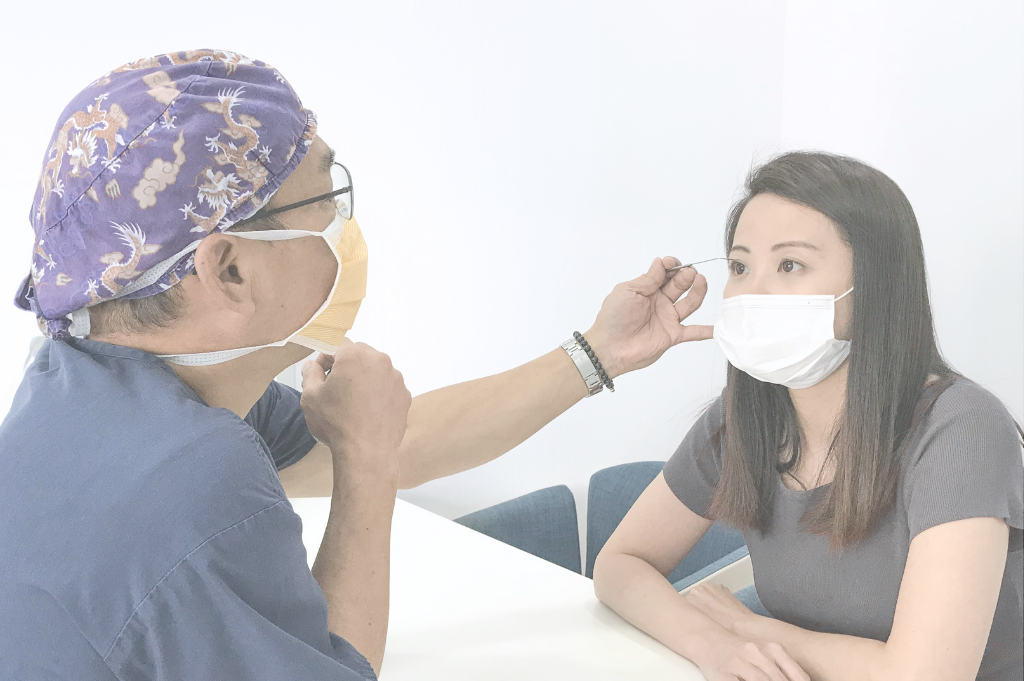
Thorough Medical Assessment
Each consultation includes a detailed evaluation to understand your concerns, assess the extent of gynaecomastia, and determine a suitable surgical approach based on your anatomy and needs.
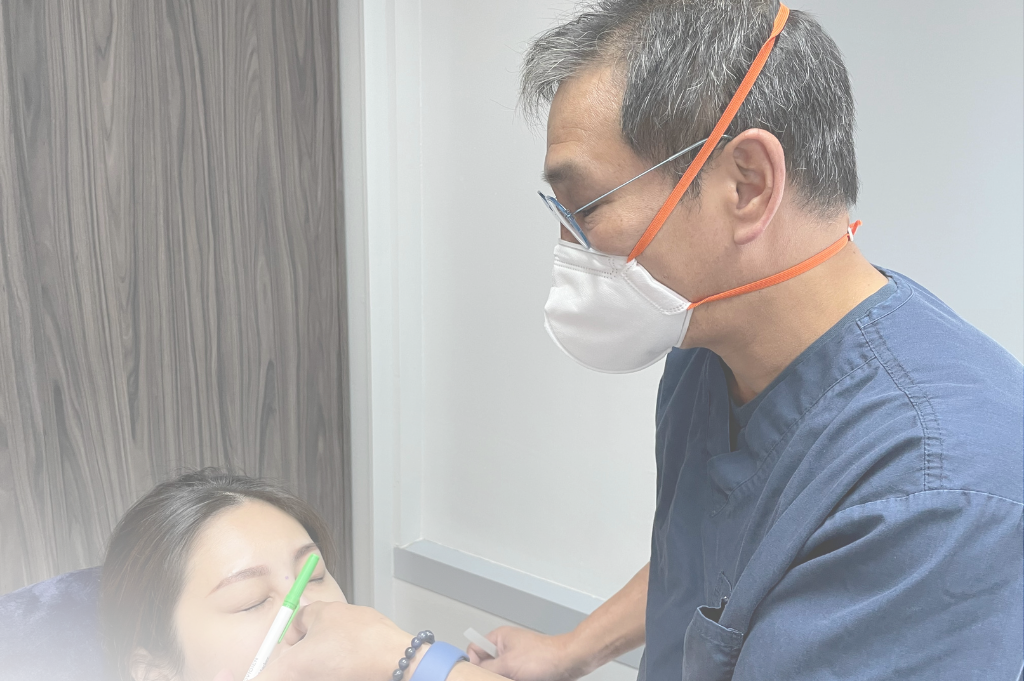
Individualised Surgical Planning
Treatment plans are developed according to whether the condition involves glandular tissue, fatty tissue, or both. Our surgeons consider these factors to recommend the most appropriate technique.
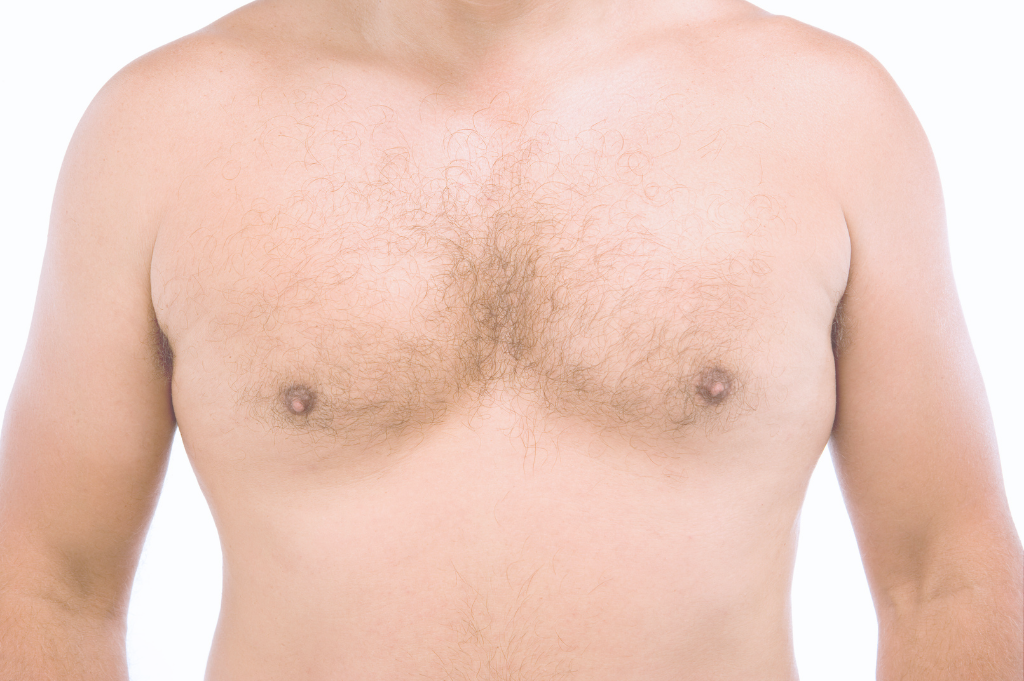
Surgical Methods Aimed at Minimising Scarring
Where clinically appropriate, refined techniques are used to reduce the size and visibility of incisions while ensuring safe tissue removal.

Ongoing Recovery Guidance and Follow-Up
Patients receive post-operative instructions and scheduled follow-ups to support healing, monitor outcomes, and address any recovery-related concerns.
Frequently Asked Questions (FAQ) About Gynaecomastia Surgery in Singapore
Are There Age Restrictions For Male Breast Reduction Surgery?
There is no strict upper age limit for gynaecomastia surgery. However, it is generally recommended for individuals who have fully developed their chest. Typically, men 18 years and older are considered good candidates, as their bodies have reached full development. But, older men in good health may also undergo the procedure, provided there are no underlying medical conditions that could affect recovery. The key factor is that the candidate is in good overall health and has realistic expectations about the results.
Do You Lose Your Nipples After Gynaecomastia Surgery?
No, you do not lose your nipples after gynaecomastia surgery. During the procedure, the surgeon carefully removes excess breast tissue and fat while preserving the nipple-areola complex. In some cases, the position of the nipples may be adjusted for a more natural appearance, but the nipples themselves remain intact. Your surgeon should take precautions to ensure the blood supply to the nipples is maintained, which is essential for proper healing and appearance.
Is gynaecomastia surgery permanent?
Yes, gynaecomastia surgery is considered permanent. This is because the excess glandular tissue and fat causing the condition are removed. However, certain factors, such as significant weight gain, use of certain medications, or hormonal imbalances, can cause a recurrence of gynaecomastia. Maintaining a healthy lifestyle and managing any underlying medical conditions can help preserve the results of the surgery long-term
How painful is gynaecomastia surgery?
Pain levels after gynaecomastia surgery vary from person to person, but most patients report only mild to moderate discomfort. Pain is typically well-managed with prescribed pain medications. Though, you may experience some soreness, tightness, and swelling in the chest area for a few days following the procedure. These sensations generally subside within a week or two. Most patients find the discomfort manageable and are able to return to normal activities relatively quickly.
Will skin tighten after gynaecomastia surgery?
In most cases, the skin will naturally tighten after gynaecomastia surgery as it adjusts to the new contours of the chest. The degree of skin tightening depends on factors such as skin elasticity, age, and the amount of tissue removed. Younger patients with good skin elasticity often see better results in terms of skin tightening. If there is significant excess skin, your surgeon may perform additional procedures to remove it for a smoother, more sculpted chest appearance.