In Summary
The V-shaped lower face is a common aesthetic trend in Asia, typically described as a slimmer jawline, a pointed chin, and balanced proportions.
Face slimming options may focus on factors such as muscle hypertrophy, fat distribution, or facial volume to address contour concerns.
Common issues include facial fullness, jaw muscle enlargement, and a double chin, which may be considered for non-surgical management after medical assessment.
Treatments such as botulinum toxin injections, dermal fillers, HIFU, thread lifts, and RF-based procedures are available in Singapore and can be discussed as options for people exploring non-surgical approaches to facial contouring.
Common Aesthetic Concerns Related to Facial Contour
For people exploring face slimming options in Singapore, concerns often relate to how their facial structure appears in proportion to the rest of their body. While everyone’s features are unique, there are certain traits that may contribute to a fuller or less defined appearance.

Facial Fullness or Roundness
A rounder face can be influenced by fat distribution, water retention, bone structure, or inherited traits. In Singapore, people concerned about facial roundness may find that it is not always linked to overall weight but may also be affected by hormonal changes or facial anatomy.
Jawline or Lower Face Heaviness
A wider or heavier jawline may result from jaw muscle enlargement, also known as masseter hypertrophy. This muscular prominence, together with a broad lower facial bone structure, can influence jaw definition. For those considering jaw slimming in Singapore, non-invasive treatments may sometimes be used to address muscle-related bulk after assessment.
Double Chin or Submental Fullness
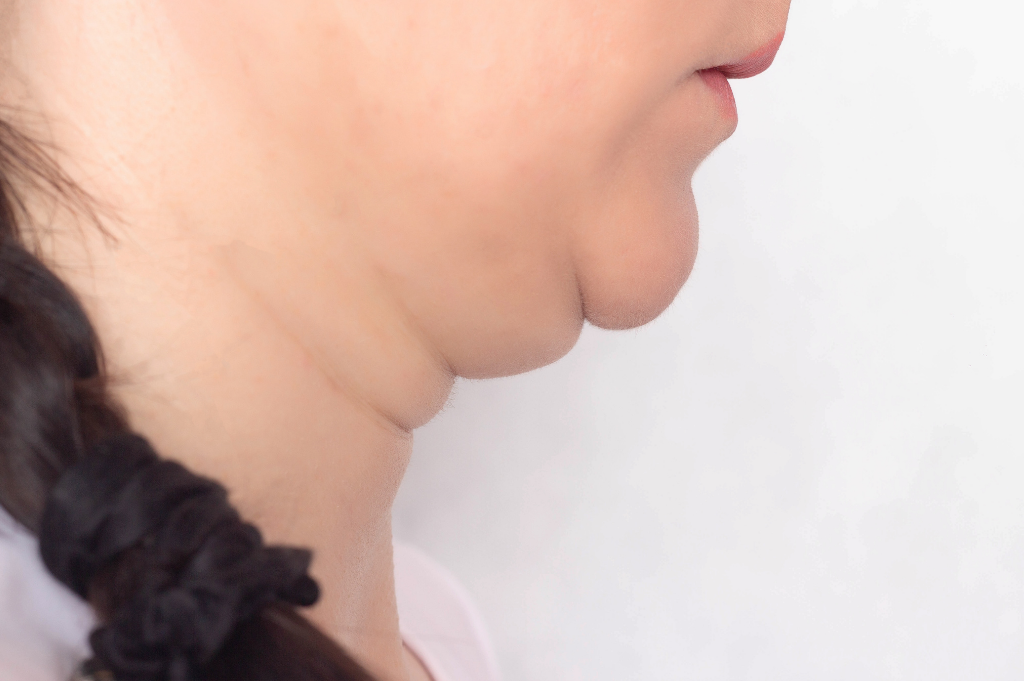
A double chin can be related to excess fat beneath the chin, skin laxity, or posture habits. Depending on the underlying cause, some people may explore non-surgical techniques that aim to improve definition in the neck and lower face region.
Asymmetry or Undefined Facial Angles
Some may feel that their facial features appear imbalanced or lack definition along the jaw, chin, or cheek. This may be due to uneven fat distribution, differing bone structure, or changes over time, contributing to a less sculpted appearance.
The V Shaped Face in Aesthetic Trends
In Korean and broader Asian beauty culture, a slim lower face with a gently pointed chin, often described as a V shaped face, has become a widely recognised trend. This appearance is sometimes associated with refinement or femininity in aesthetic discussions. While the look is commonly referenced in popular culture and beauty products, perceptions of attractiveness vary, and there is no single face shape that is considered ideal.
Face Shape and Femininity
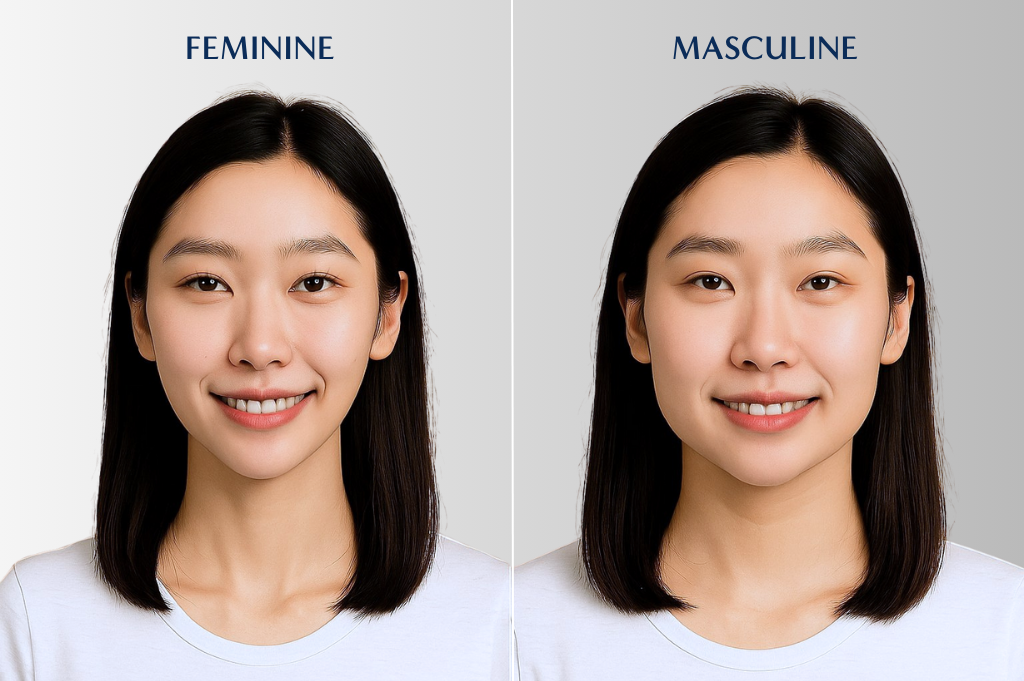
Facial proportions can influence how a face is described in aesthetic terms. A smaller lower face with a tapered jawline, sometimes referred to as a V shape or inverted triangle, is often linked with femininity in Asian beauty trends. In contrast, a broader or squarer jawline may be described as a more masculine trait. These descriptions reflect cultural perceptions rather than fixed standards of beauty.
Anatomical and Genetic Influences
Each person’s face is shaped by a combination of genetics, bone structure, and muscle size. The masseter muscle, located at the angle of the jaw, plays a key role in chewing. In some people, habits such as teeth grinding or frequent gum chewing, together with hereditary factors, can make this muscle appear more prominent, resulting in a broader or more angular jawline. Inherited traits may also contribute to facial width, cheekbone prominence, or overall proportions.
What Contributes to a Fuller or Square Face?
In Singapore, people exploring face slimming treatments often start by understanding the factors that influence their facial shape. Facial appearance is shaped by a combination of genetic, anatomical, and lifestyle elements. Recognising these contributors can help clarify which features may be addressed through treatment, and which are part of one’s natural structure.
Hereditary Facial Structure
In Singapore, people exploring face slimming treatments often start by understanding the factors that influence their facial shape. Facial appearance is shaped by a combination of genetic, anatomical, and lifestyle elements. Recognising these contributors can help clarify which features may be addressed through treatment, and which are part of one’s natural structure.
Muscle Mass (e.g., Masseter Hypertrophy)
Beyond bone structure, certain facial muscles such as the masseter can influence the lower face. These muscles are responsible for chewing and may become enlarged due to genetics, teeth grinding (bruxism), or habits such as frequent gum chewing. When prominent, they can give the face a broader or more angular appearance.
Fat Distribution & Lifestyle Factors
Facial fullness is also affected by how fat is distributed under the skin. Subcutaneous fat may accumulate in areas such as the cheeks, jawline, or chin, and this is influenced by age, genetics, and overall body composition. Lifestyle factors, including diet, hydration, and physical activity, also play a part. For example, high intake of processed foods, low water consumption, and lack of exercise may contribute to facial roundness.
Characteristics of a V-Shaped Face
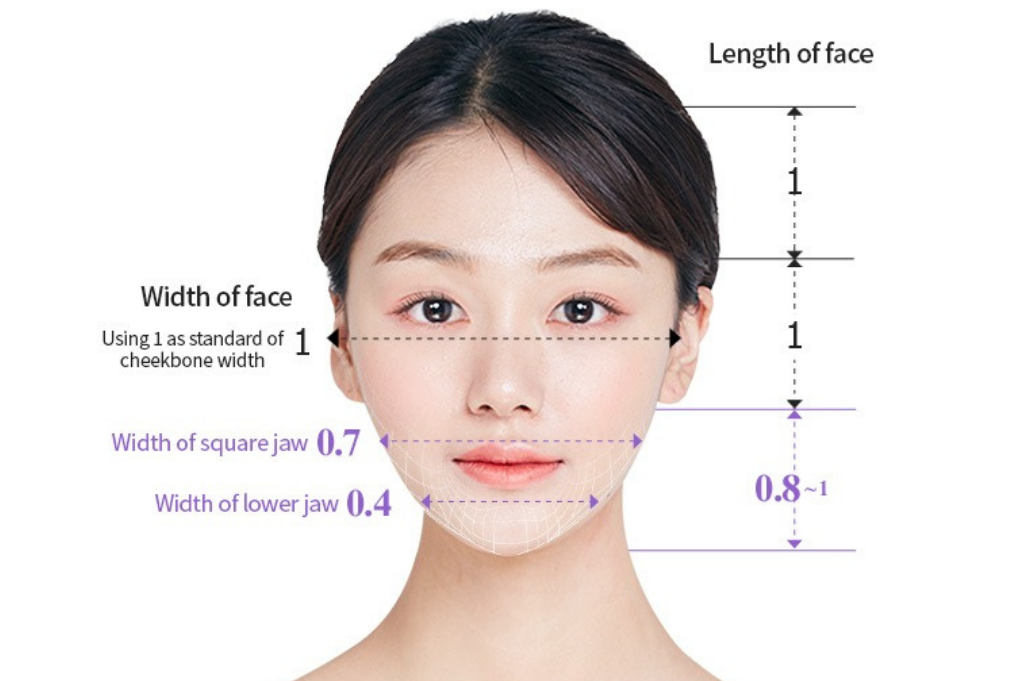
V Shaped face is often described with the following features:
- Cheekbones that appear slightly wider than the lower face
- A jawline that is narrower than the cheekbones
- A chin that tapers to a gentle point
- A jawline that looks more defined and streamlined
- Balanced proportions, often described using a one third ratio (hairline to eyebrows, eyebrows to base of nose, and base of nose to chin)
These descriptions are commonly referenced in aesthetic discussions, particularly in Asian beauty trends. It is important to note, however, that attractiveness is subjective, and every face shape has its own appeal.
Non Surgical Treatments That May Help With Facial Slimming
While many people focus on body contouring, some are more concerned about the proportions of their face. Lifestyle changes such as diet and exercise support overall health, but they do not specifically change facial shape. For those who prefer to avoid surgery, there are various non surgical facial slimming methods that may be considered. These approaches work by targeting different factors such as muscle activity, soft tissue volume, or skin support. Some of the available approaches are outlined below.
BTX
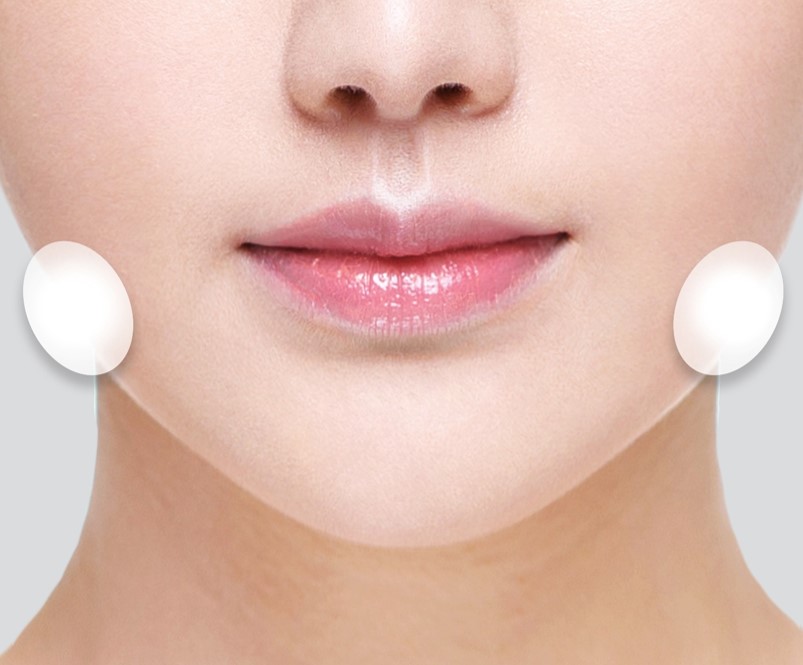
BTX may be considered for people with prominent jaw muscles, also known as masseter hypertrophy. The masseter is located at the angle of the jaw and plays an important role in chewing. When enlarged, it can make the lower face appear broader. BTX injections help relax this muscle, which may reduce its prominence and soften the jawline. This approach is sometimes referred to as non surgical square jaw reduction.
The onset of effect typically develops within days, and the duration varies between people, often lasting a few months. Repeat sessions may be discussed with a doctor if continued treatment is desired.
Dermal Fillers
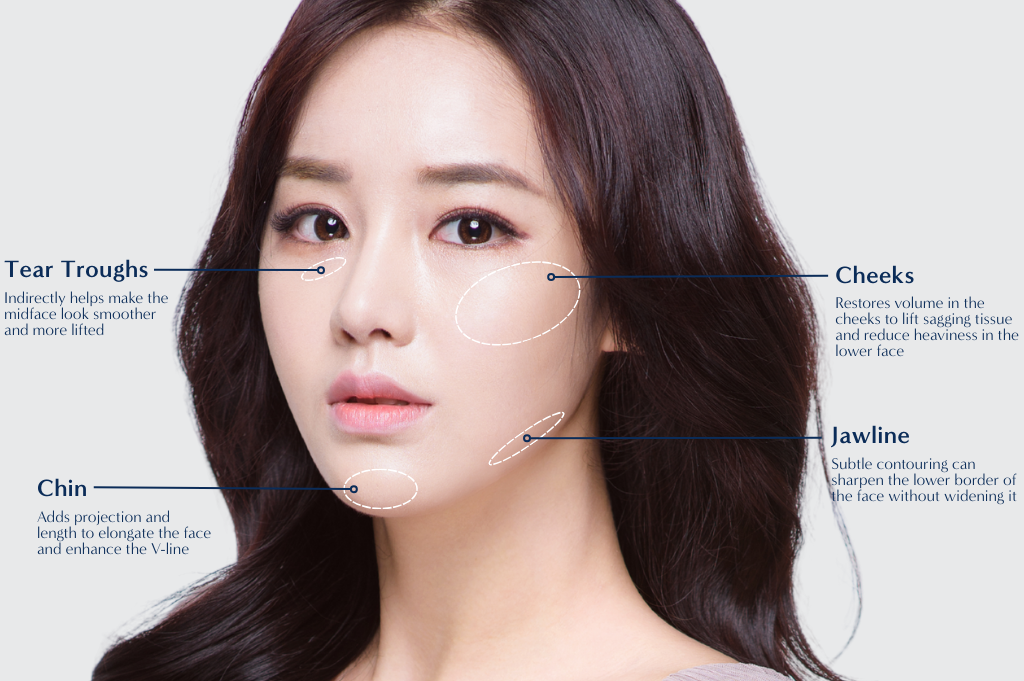
Dermal fillers contain hyaluronic acid, a substance that occurs naturally in the body, and are used to restore or add volume beneath the skin. Placement of fillers in areas such as the chin can enhance projection or refine contour, which may improve facial balance. Results can usually be observed shortly after treatment, with final settling over the following weeks. As fillers are gradually broken down by the body, maintenance treatments are needed to sustain the effect. Temporary swelling or bruising may occur at the injection site.
Radiofrequency Treatment
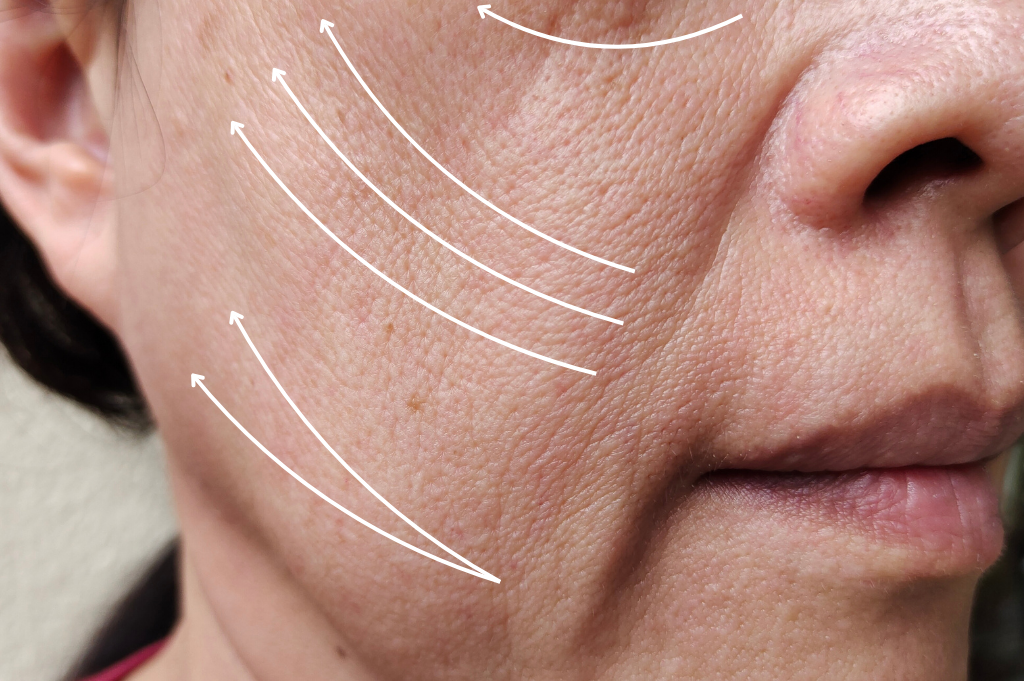
Radiofrequency skin tightening uses controlled energy waves to warm the deeper layers of the skin, which may stimulate collagen production. This can gradually improve skin firmness and elasticity. When directed to the lower face, RF treatment may support a slimmer lower face profile and a sharper jawline contour, contributing to the appearance often described as a V shaped face. Several sessions are usually recommended, and results differ across people. Temporary redness or tingling may occur after treatment but generally settles within a short period.
HIFU
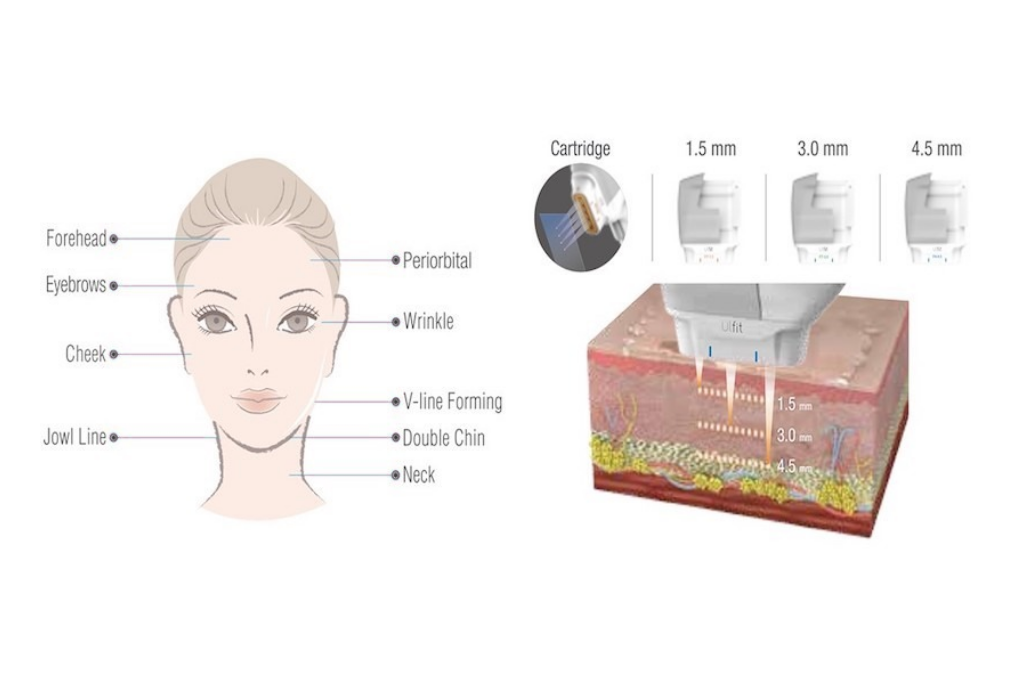
HIFU Treatment uses focused ultrasound energy to stimulate collagen production in targeted layers of the skin. This process may support gradual skin tightening and improved firmness over time. When applied to the lower face, HIFU can help define the jawline and enhance the slimmer profile that is often described as a V shaped appearance.
Compared with radiofrequency skin tightening, which works by heating the superficial and mid layers of the skin, HIFU reaches deeper layers to stimulate collagen at different depths. Both treatments aim to support skin firmness, but they act through different mechanisms. Which approach may be more suitable depends on the individual’s skin condition and goals, and should be assessed by a qualified doctor.
Thread Lifts
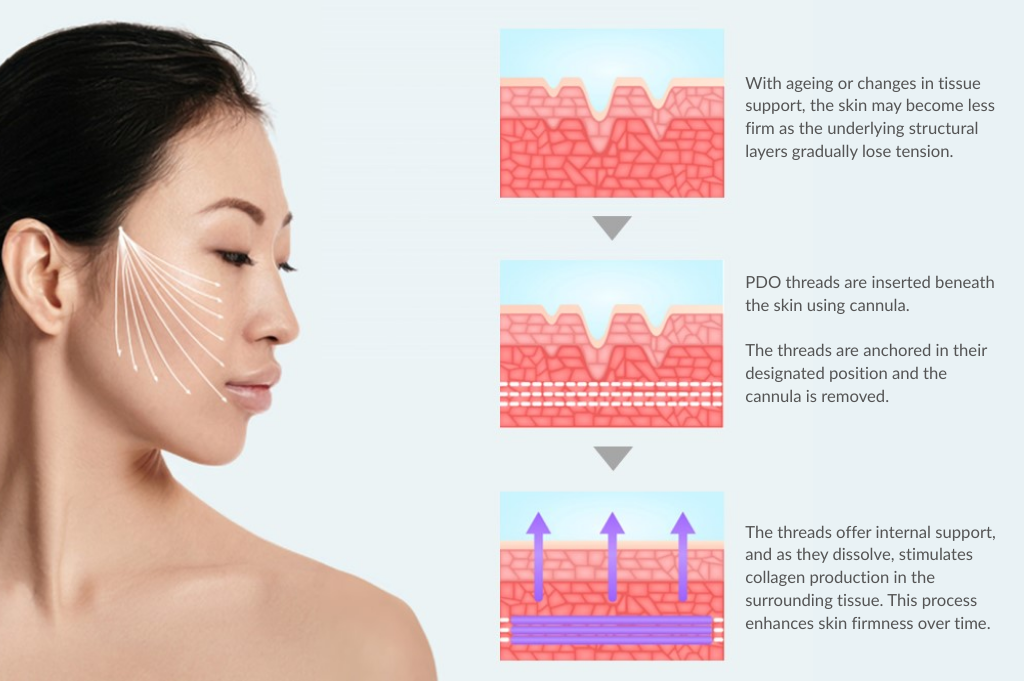
A face thread lift involves the placement of dissolvable medical sutures beneath the skin to provide a lifting effect and stimulate collagen production. These sutures have tiny barbs that help them anchor to the underlying tissue, allowing gentle repositioning of the skin. When applied to the lower face, a thread lift may enhance definition along the jawline, contributing to what is popularly known as a V shaped contour.
As the sutures dissolve naturally over time, they encourage collagen renewal, which can help firm and support the treated area. Any improvement is usually gradual, and the degree of response varies between people. Temporary effects such as swelling, bruising, or a sensation of tightness may occur and will be explained by the doctor during consultation.
Treatment Cost Considerations
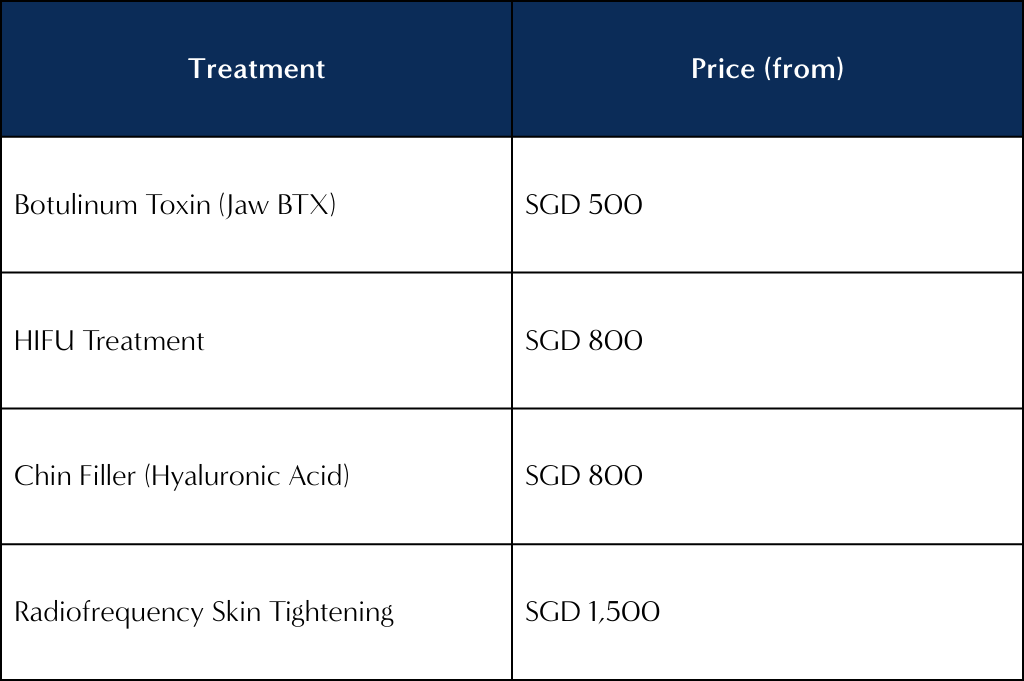
The cost of treatments that may help achieve a V shaped appearance varies depending on the type of procedure and the extent of treatment required. Fees may also differ between clinics.
A consultation with a qualified doctor is needed to assess your condition, discuss suitable options, and provide an accurate fee estimate.
Disclaimer
The fees listed are estimates and start from the amounts indicated above. The actual cost will depend on the individual’s condition, treatment plan, and the number of sessions required. A consultation with a qualified doctor is necessary to determine suitability and provide an accurate quotation.
Side Effects
Non-surgical face slimming treatments are generally well tolerated, but as with all medical procedures, there are possible risks. The type and likelihood of side effects depend on the treatment performed and each person’s response.
Injectables (BTX, fillers): Temporary swelling, redness, bruising, or mild discomfort at the injection site may occur.
Energy-based devices (RF, HIFU): Some may experience mild redness, tingling, or swelling shortly after treatment.
Thread lifts: Temporary swelling, bruising, or a feeling of tightness in the treated area may be noticed.
These effects are usually temporary. Your doctor will discuss the potential risks, expected course of recovery, and when to return for review.
Conclusion
A slimmer or more contoured facial appearance can be approached through a range of non-surgical treatments, including botulinum toxin, dermal fillers, radiofrequency, HIFU, and thread lifts. Each option works in different ways, and suitability depends on factors such as facial anatomy, skin condition, and treatment goals.
It is important to note that outcomes vary from person to person. A consultation with a qualified doctor is required to assess your condition, explain available options, and determine an appropriate plan.
About Dream Aesthetics and Plastic Surgery
Bespoke surgical for cosmetic or medical reasons is what Dream covers to bring out the beauty in every individual. Going beyond the aesthetics and working on physical anomalies are what we value the most in leading our patients to cherish self-improvement and confident lifestyles.
Derived from Associate Professor Vincent Yeow’s long-standing experience performing plastic surgery in Singapore, our treatment plans deliver physical remodelling in our patients’ favour. One of the notable remodellings is droopy eyelid correction. The ptosis surgery used for treatment eventually fixes drooping eyelids, improves vision and enhances appearance.
Most importantly, as a trustworthy plastic surgery and aesthetic clinic, we treasure positive and natural outcomes for each individual. We will ensure to deliver the beauty refinement of your dream without compromising your safety and privacy.