


Pigmentation Treatment
Pigmentation can be bothersome. If you are looking to get it treated, the sheer choice of pigmentation treatment options can be overwhelming. There are several minimally invasive therapies available today that may be used to address benign skin pigmentation. Here you will find useful information on pigmentation disorders, as well as the different treatment options available at our clinic. Please note that this page is for general information only. A medical diagnosis and consultation with a doctor is required to determine the most appropriate treatment for each person.
Understanding Skin Pigmentation
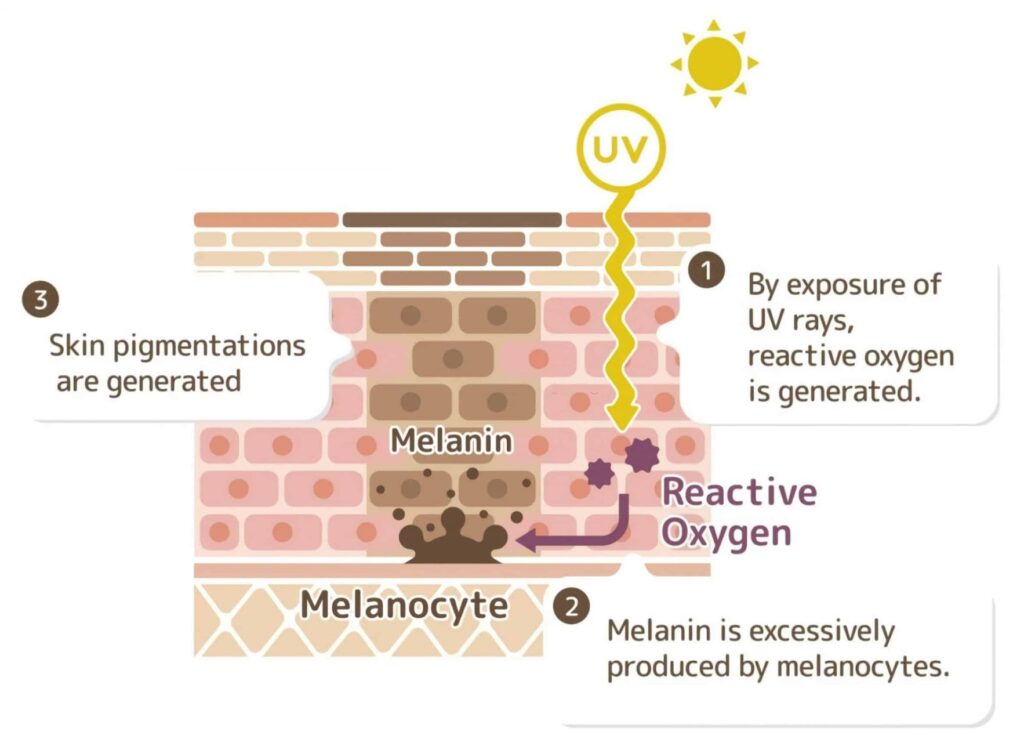
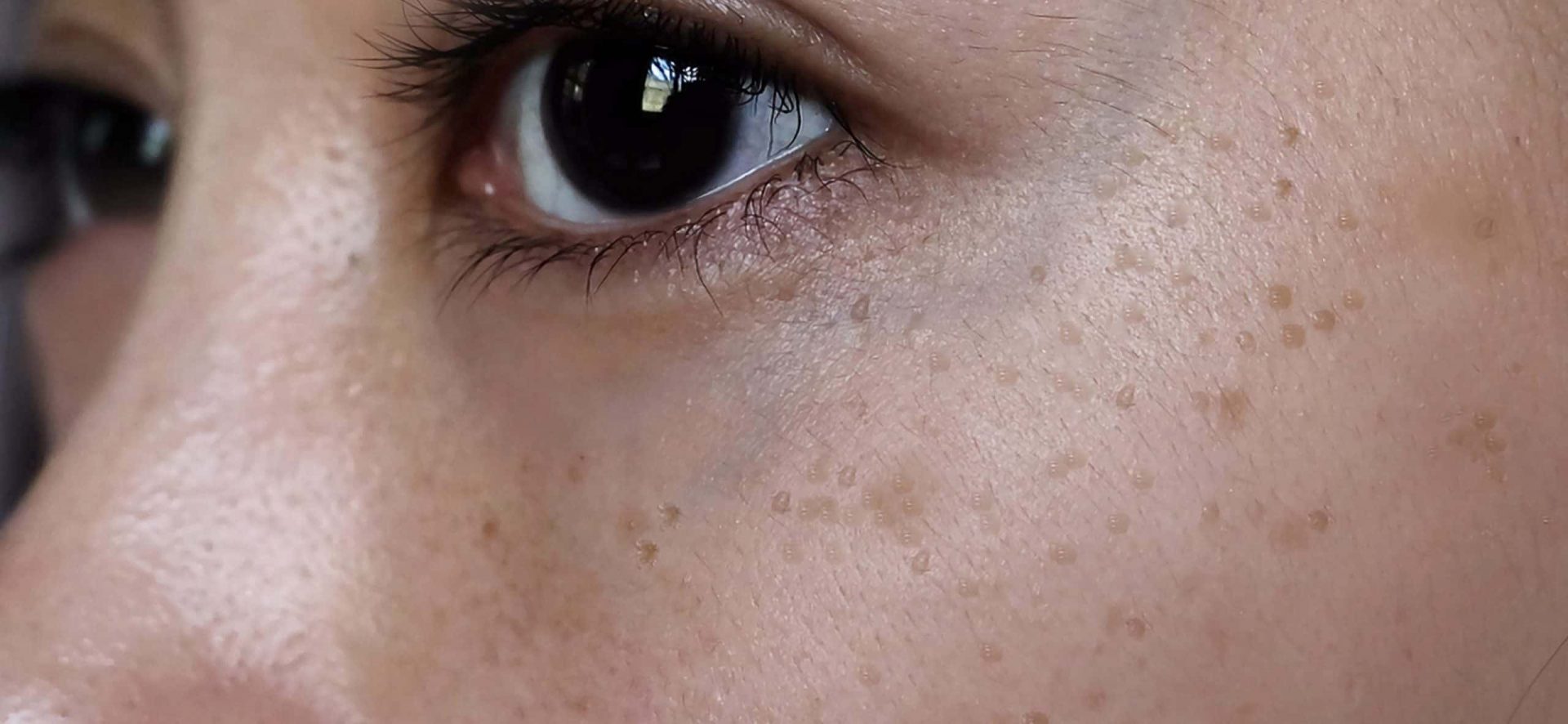
Pigmentation refers to changes in skin colour caused by an increase or uneven distribution of melanin, the pigment that gives skin its tone. When melanin builds up in certain areas, it appears as dark spots or patches. These may range from freckles to larger patches such as melasma. While pigmentation is usually harmless, some people may seek treatment for cosmetic reasons, especially if it affects areas like the face, neck, or hands.
What Causes Skin Pigmentation
Several factors can contribute to pigmentation concerns, including:
1. Excessive Sun Exposure
Ultraviolet (UV) rays stimulate melanin production, which may cause tanning or dark spots.
2. Hormonal Imbalance
Hormonal fluctuations in your body, either natural or caused by certain medicines such as NSAIDs, antimalarial drugs, and antipsychotic medications, can also stimulate hyperpigmentation. These appear as brownish discoloration or patchy spots on your skin called melasma. This is frequently found in women, particularly during pregnancy or in those undergoing hormonal therapy.
3. Skin Inflammation
A skin injury can also be a cause of hyperpigmentation, be it due to a surgical scar, acne, or inflammation — all of these can be a cause of deposition of melanin on the superficial layers of your skin as part of a natural recovery response.
4. Medical Conditions
In some cases, pigmentation can also occur due to specific health conditions. For instance, people who have autoimmune diseases, gastrointestinal issues and certain metabolic concerns are at a higher risk of hyperpigmentation.
5. Genetics
Even without excessive sun exposure, some people develop pigmentation. This can occur if they have a genetic predisposition to it, meaning that pigmentation runs in family, and several other family members also have the condition.
Undesirable Pigmentation Issues
Human skin is rarely completely flawless. Especially in fair-skinned people, the skin tends to develop some pigmentation disorders throughout the course of one’s life. Some types of pigmentation, such as freckles, already appear in children; age spots develop in the course of life. The pigmentation marks can be brownish, reddish, or ocher, and are usually not raised, i.e., not palpable. They mainly form on skin areas that are particularly exposed to light, for example, on the face, on the décolleté, or on the hands.
The Most Common Types of Pigmentation
In Singapore and most places around the world, the most prevalent types of skin pigmentation include:
Melasma : Appears as brown patches, often on the cheeks or forehead, and may worsen with sun exposure or hormonal changes.
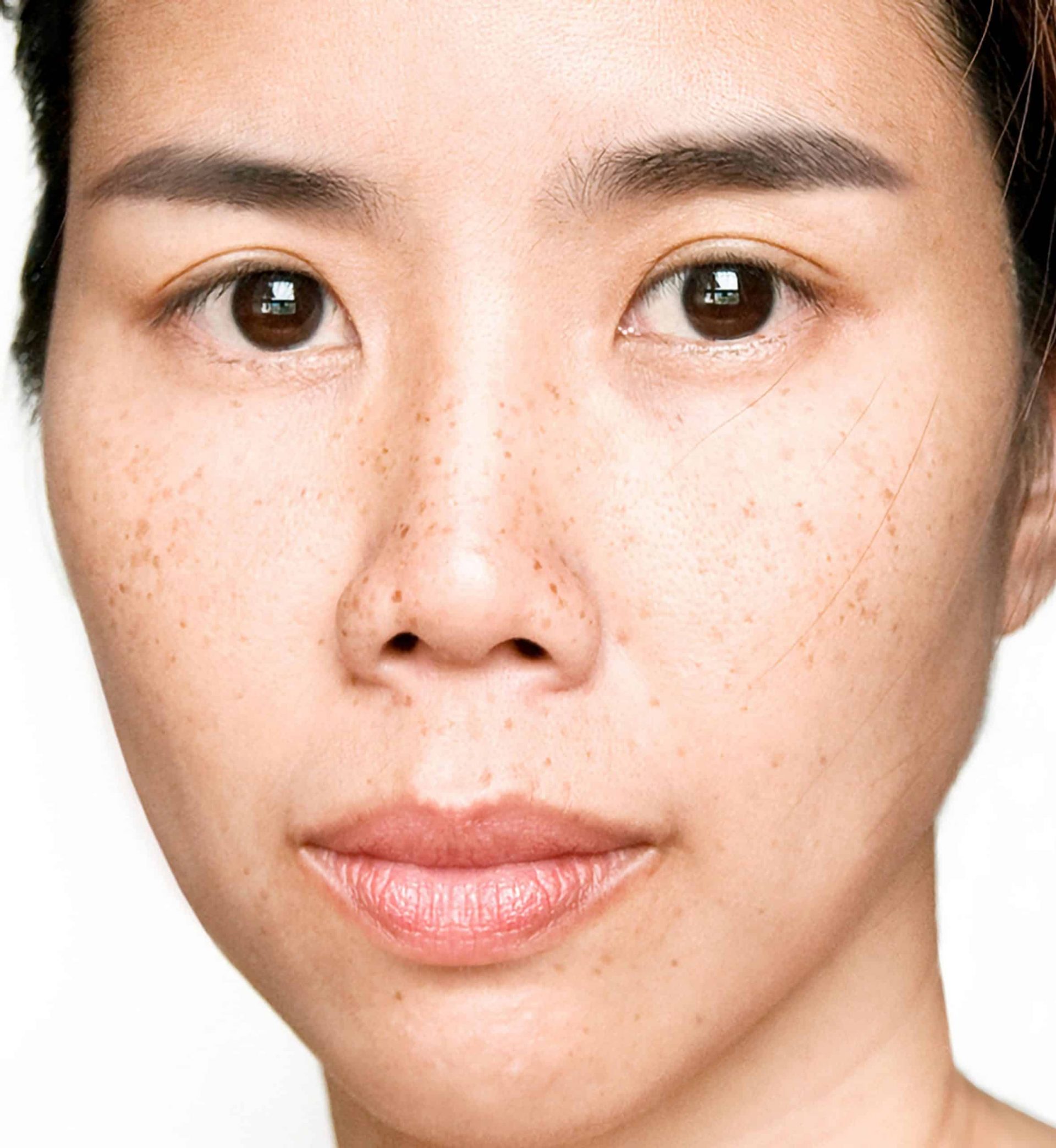
Freckles : Small, light brown or reddish spots caused by repeated sun exposure.
Solar Lentigo (Age Spots) : Flat, dark patches that develop over time due to long-term UV exposure.
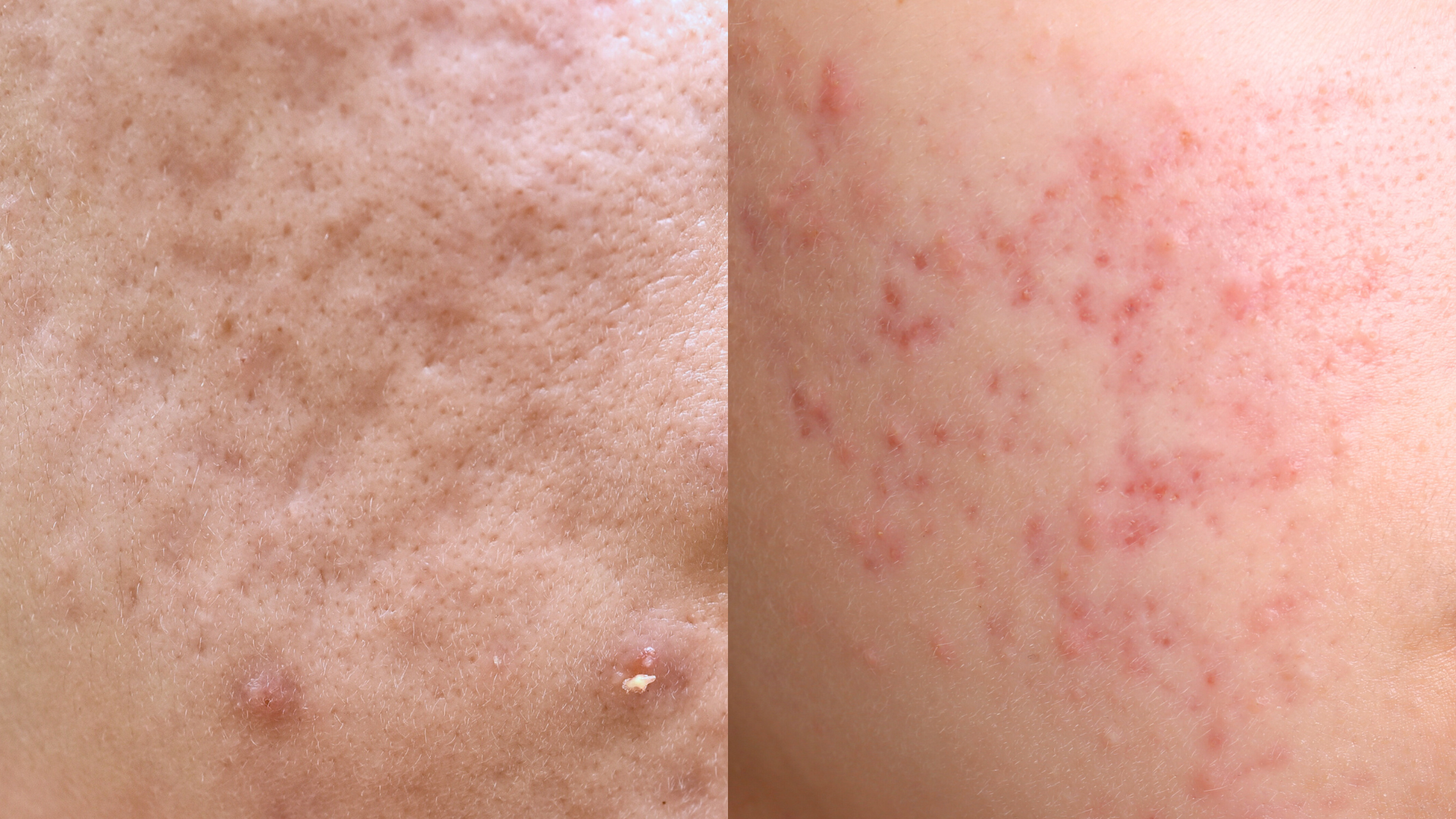
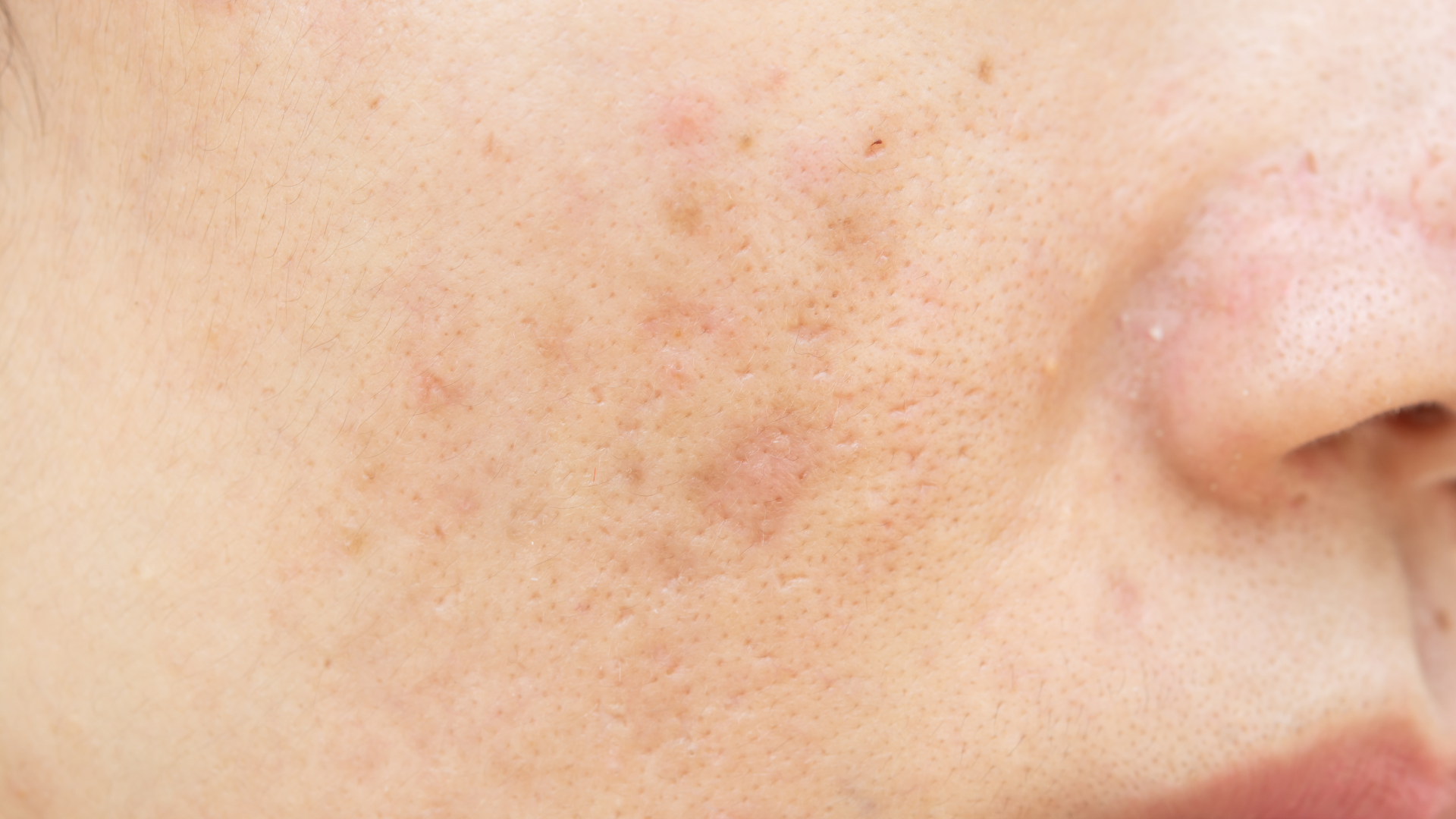
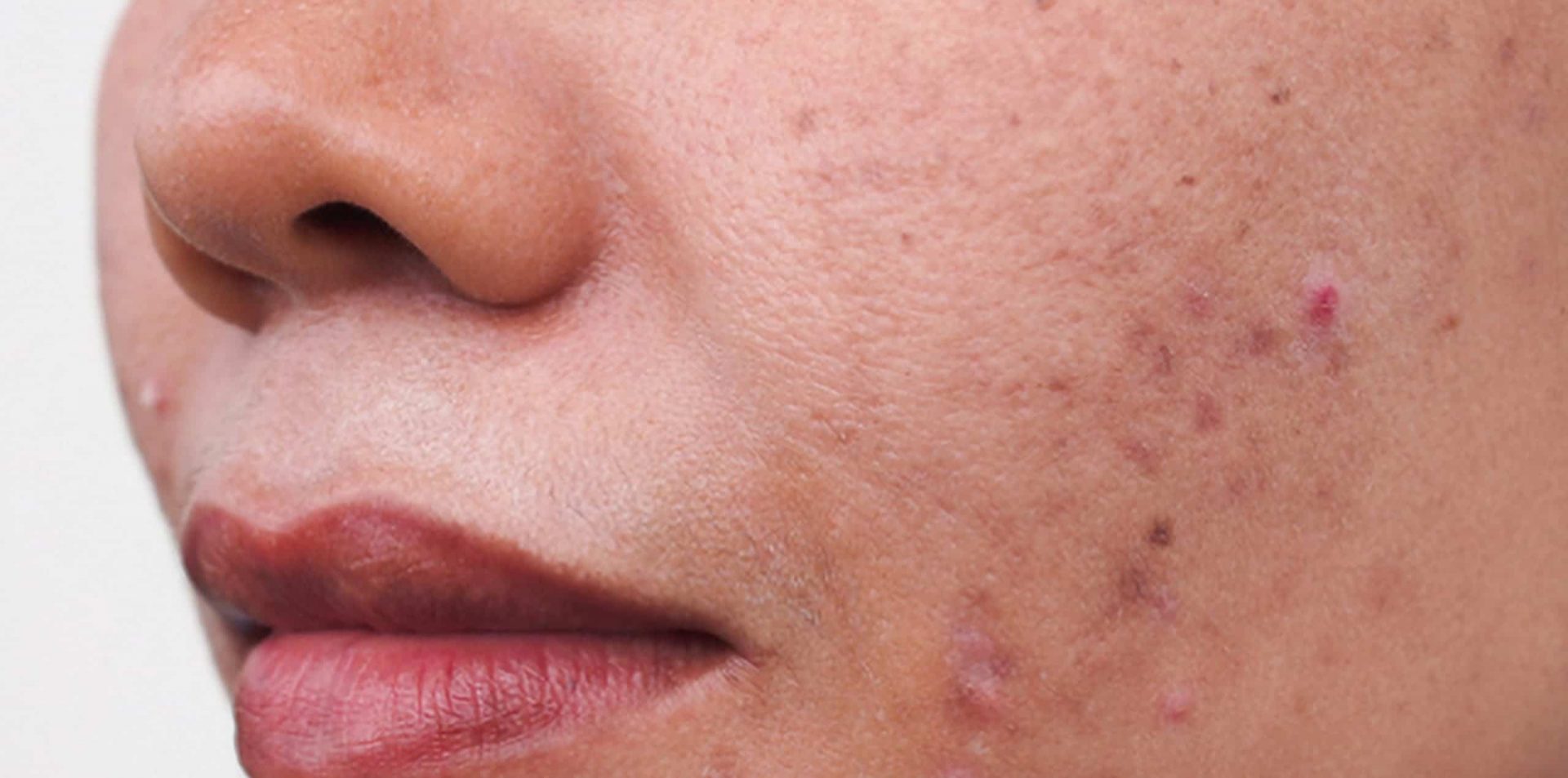
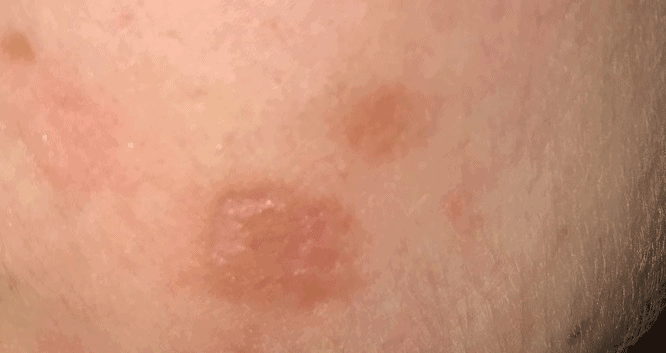
Post-Inflammatory Hyperpigmentation : Darkening of skin that follows acne, rashes, or other skin injuries.
Seborrheic Keratosis : Benign, waxy or wart-like growths that may darken or thicken with age.
Melasma
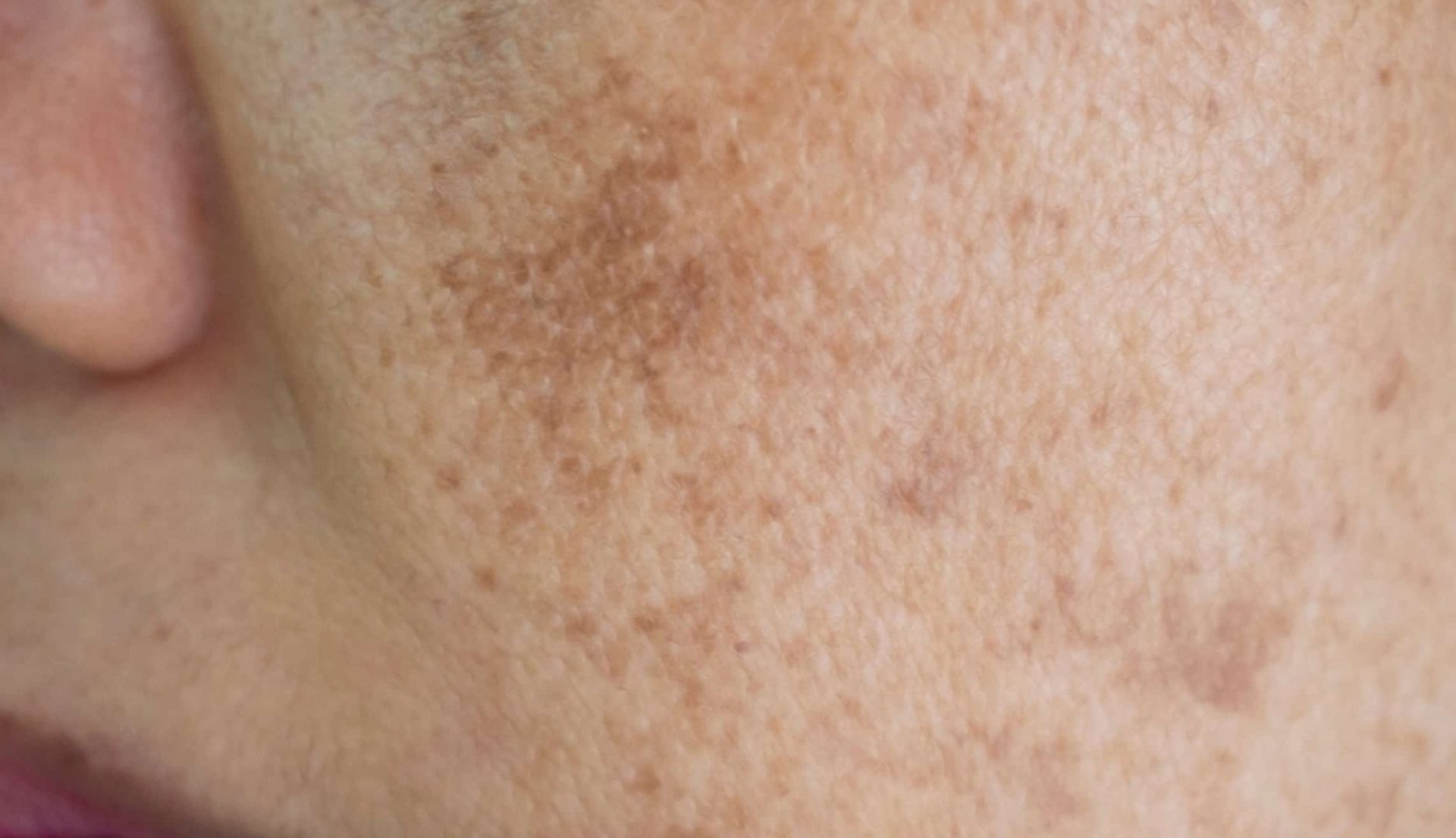
Melasma is a type of hyperpigmentation that presents as brown or grey-brown patches, often on the cheeks, forehead, or upper lip. It is strongly influenced by hormones, which is why it may appear during pregnancy or when taking hormonal therapy. Sun exposure can make melasma more noticeable. While harmless, it can be persistent and sometimes difficult to conceal with makeup.
Melasma is considered more challenging to manage than other pigmentation conditions, as it often responds gradually and may return when triggered by sun exposure or hormonal changes. Ongoing management together with consistent sun protection plays a key role in care.
Sun Spots
Acne Scars
Post-Inflammatory Hyperpigmentation
Seborrheic Keratosis
What to Know Before Starting Pigmentation Treatment
Not all pigmentation is the same. What may appears as a dark patch on the surface can have very different causes, such as melasma, sun spots, or post-inflammatory pigmentation. Each type responds differently to treatment, which is why an accurate diagnosis is the first step.
During the consultation, the doctor will assess the depth and nature of the pigmentation and review possible contributing factors such as sun exposure, hormonal influences, or past skin inflammation. This helps set realistic expectations. For example, melasma is often more challenging to manage as it tends to respond slowly and may recur, while sun spots may improve faster, but can return with continued UV exposure.
In Singapore, pigmentation diagnosis is carried out at licensed medical clinics by registered healthcare professionals. During the consultation, the doctor will review your skin concerns, examine the affected areas, and may use clinical tools or imaging systems as part of the assessment process.
Treatment options are only recommended after a proper evaluation by a qualified practitioner. This approach supports patient safety and ensures adherence to medical standards, including informed consent and clinical documentation.
Skin Pigmentation Treatment at Dream
While pigmentation is usually harmless, some people may choose treatment to reduce the visibility of dark spots or even out skin tone. At Dream, a range of pigmentation laser treatments is available to address different concerns. During consultation, the doctor will examine your skin, discuss suitable options, and explain what the treatment process may involve.
Dream Holistic Approach in Treating Skin Pigmentation

Comprehensive Assessment
Your journey begins with a detailed consultation, where the doctor will evaluate the type and extent of pigmentation. If needed, diagnostic steps may be taken to confirm the underlying cause. This allows the doctor to provide clear guidance on treatment options suitable for your skin profile and lifestyle.

Personalised Treatment Planning
A treatment plan will then be recommended, tailored to your skin condition, schedule, and expectations. The plan may combine different modalities, such as pigmentation laser treatment in Singapore, chemical peels, or topical therapy, depending on what is most appropriate.

Ongoing Care and Review
After treatment, follow-up visits are arranged so the doctor can monitor progress, assess response, and adjust the plan if required. This structured approach supports long-term management and helps reduce the chance of recurrence..
Laser Treatment Options for Pigmentation
Intense Pulse Light (IPL) Treatment
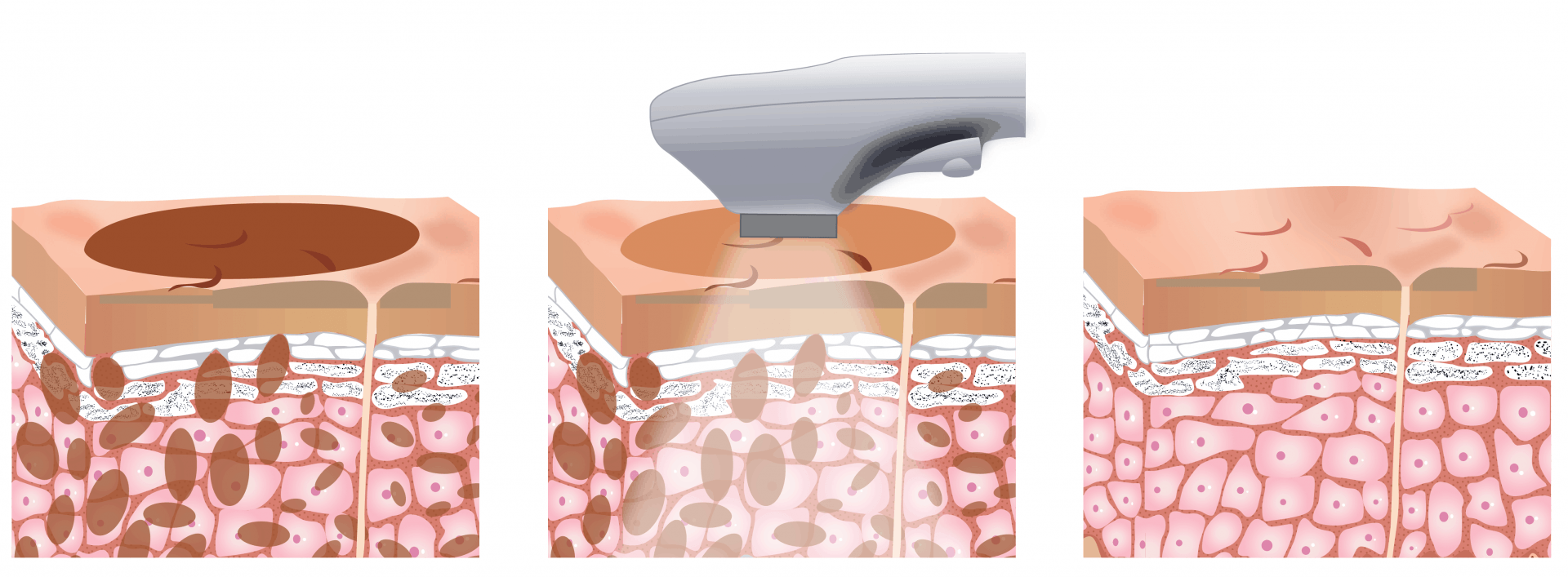
Pigmentation laser treatment in Singapore may include Intense Pulsed Light (IPL) therapy, which uses broad-spectrum light to target melanin in areas of hyperpigmentation. The light is delivered through a handheld device directed at the affected skin. Temporary redness may occur after treatment, but this usually subsides within a few hours.
Q-switched Laser
This type of laser treatment has been a backbone in aesthetic treatments for a long time. While it is used less commonly because of other rapid technologies, such as Pico laser, it can produce heat energy to repair your skin and lighten pigmentation.
The Q-switched laser effectively reduces brown spots and acne marks. Not only is it efficiently lightening the pigments, but it also works to shrink acne and pores on the skin. Repeated Q-switched laser sessions are also needed to maintain the treatment results and prevent dark spots from reappearing.
Alexandrite Laser
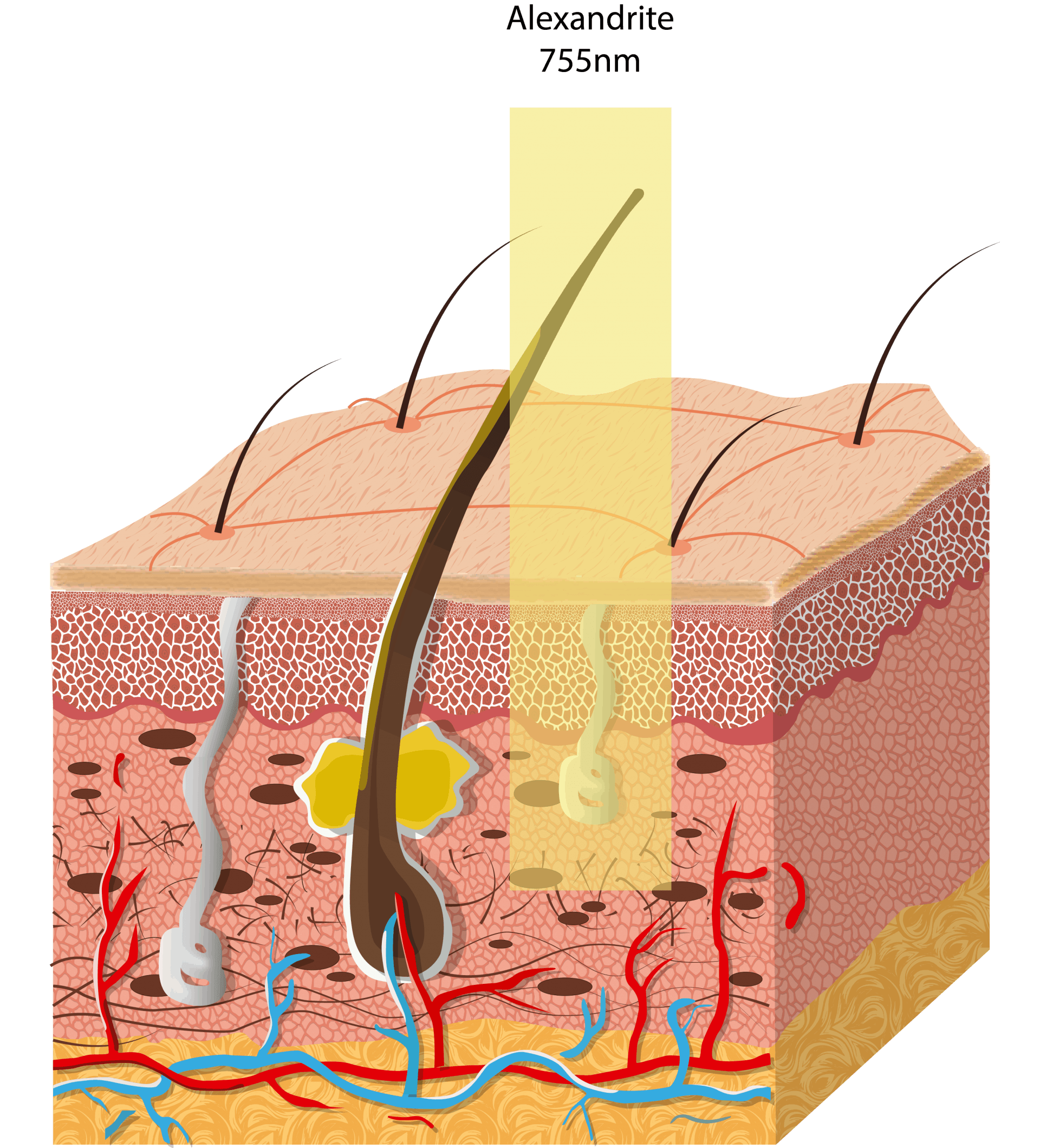
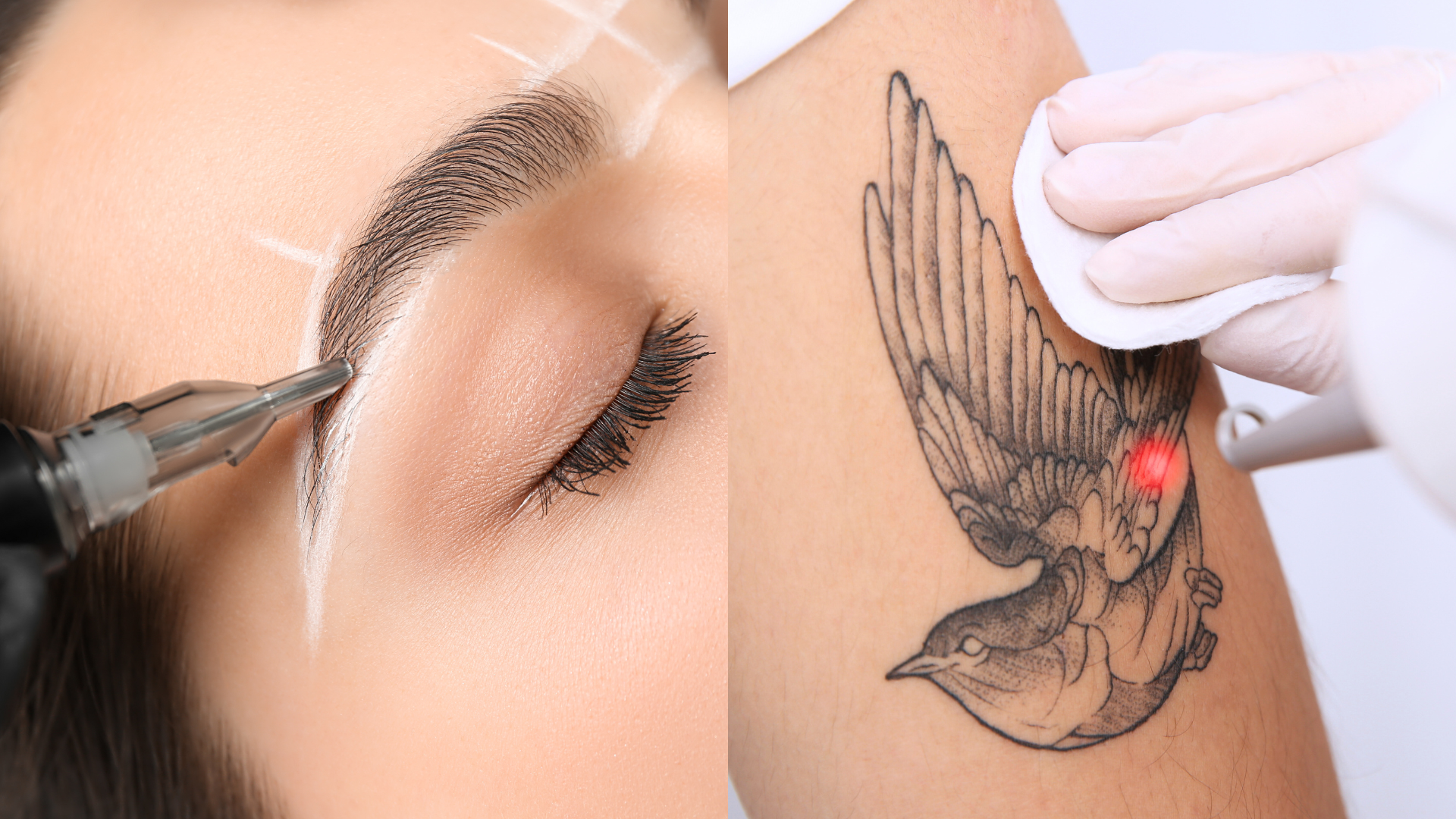
The Alexandrite laser is an effective treatment for targeting and breaking up unwanted pigmentation. Like the Q-switched laser, the Alexandrite laser converts light energy into heat, damaging the pigmented areas without harming surrounding skin. This laser is commonly used to treat age spots, freckles, flat pigmented birthmarks, acquired dermal melanocytosis, and black, blue, and green tattoos.
The alexandrite laser is used to treat:
- Age spots
- Freckles
- Flat pigmented birthmarks
- Acquired dermal melanocytosis
- Naevus of Ota
- Black, blue and green tattoos.
The procedure typically takes less than 15 minutes and is non-invasive, making it well-tolerated by most patients. While the treated skin area may be sensitive for up to a week, the patient will not require any downtime. As the alexandrite laser is very gentle, it can also be used to treat highly sensitive skin areas, such as the eyelids.
Fractional CO² Laser
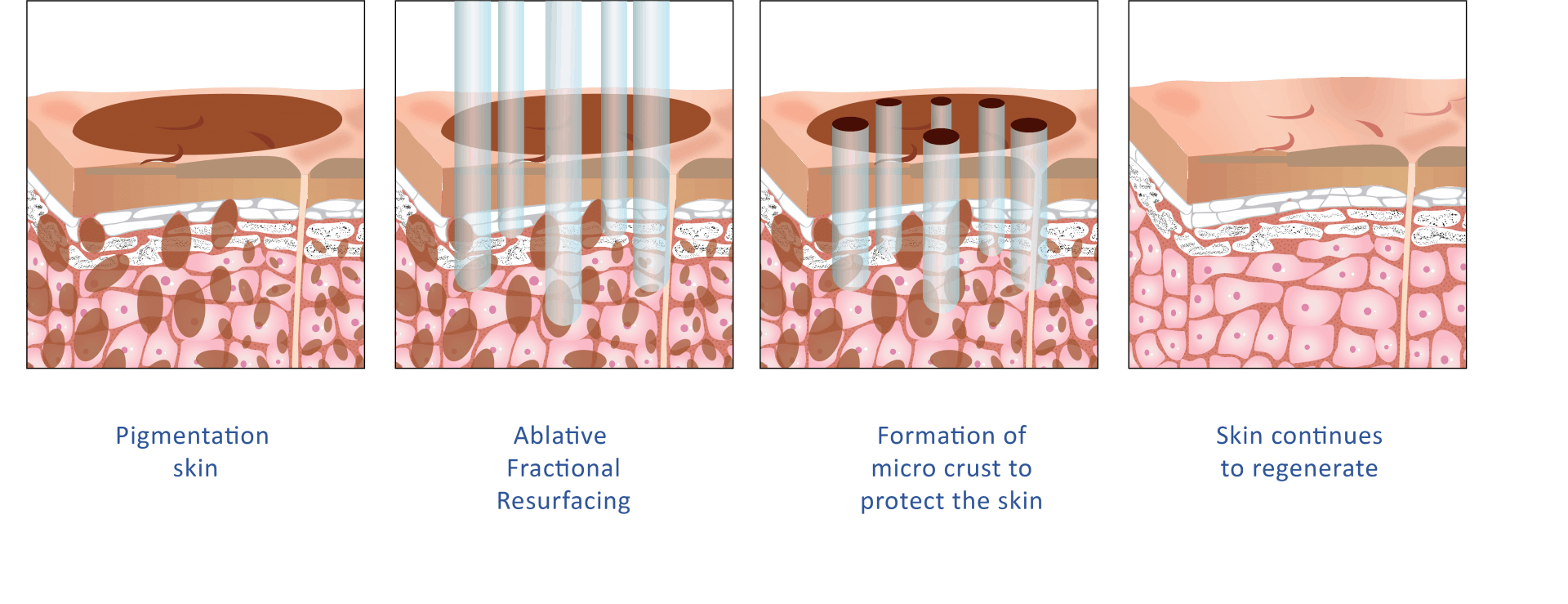
Fractional laser therapy is a minimally invasive treatment option that requires a downtime of 3-7 days. The CO2 laser produces heat in the deeper dermis to stimulate collagen production. A scanner defines the exact micorscopic zones to be targeted and this is applied to a fraction of the skin at a time. It is called fractional technology, because it only targets a fraction of the pigmented skin at a time, leaving small sections of healthy tissue intact, which accelerates tissue healing. With a fractional laser, wrinkles and unwanted pigmentation such as melasma, age spots, or sun spots can be treated simultaneously. In addition, Fractional CO2 laser can be used to reduce coarse-pored skin or skin irregularities such as acne scars or stretch marks. Fractional is particularly suitable for areas such as the face, neck, cleavage, and hands.
Pico Laser
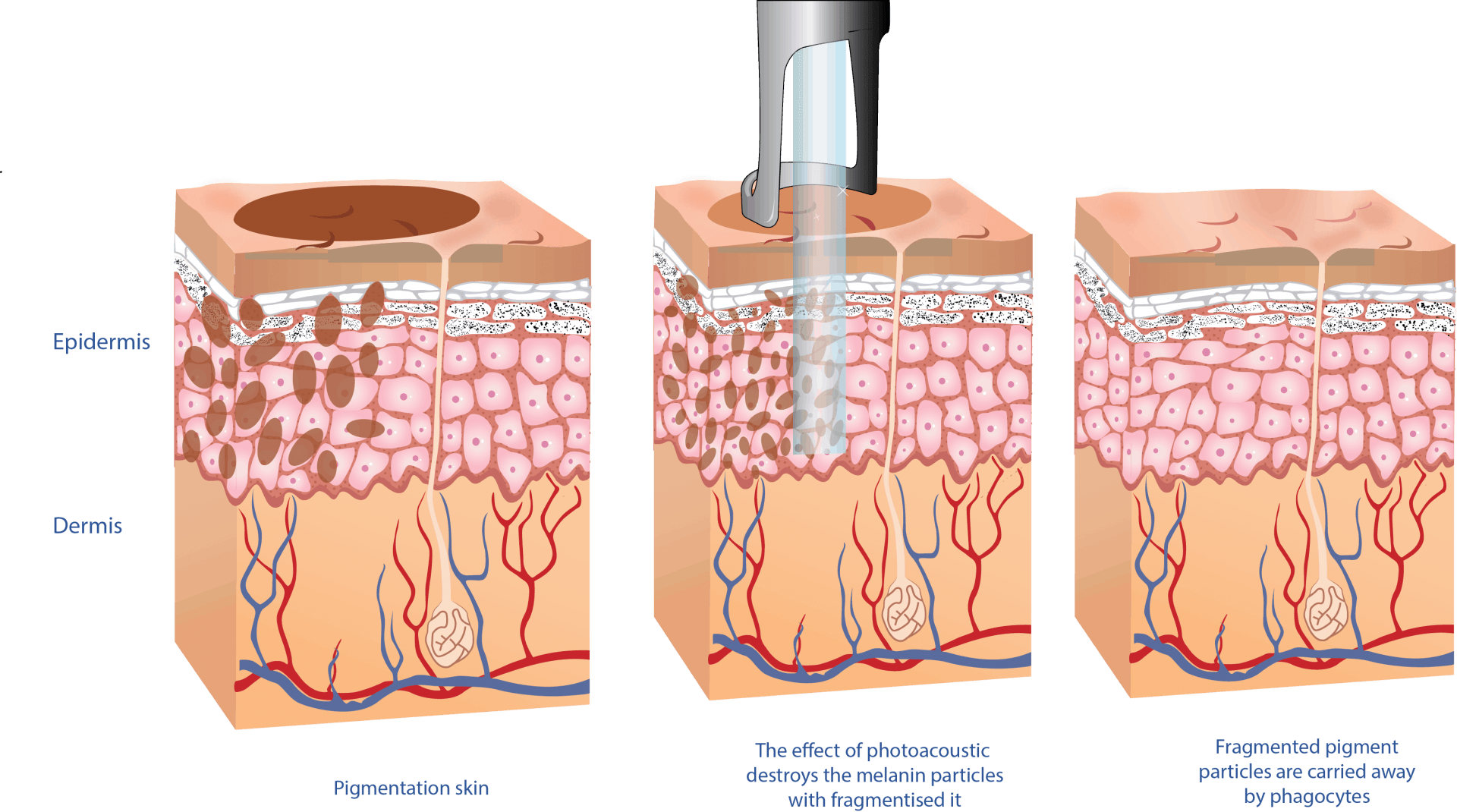
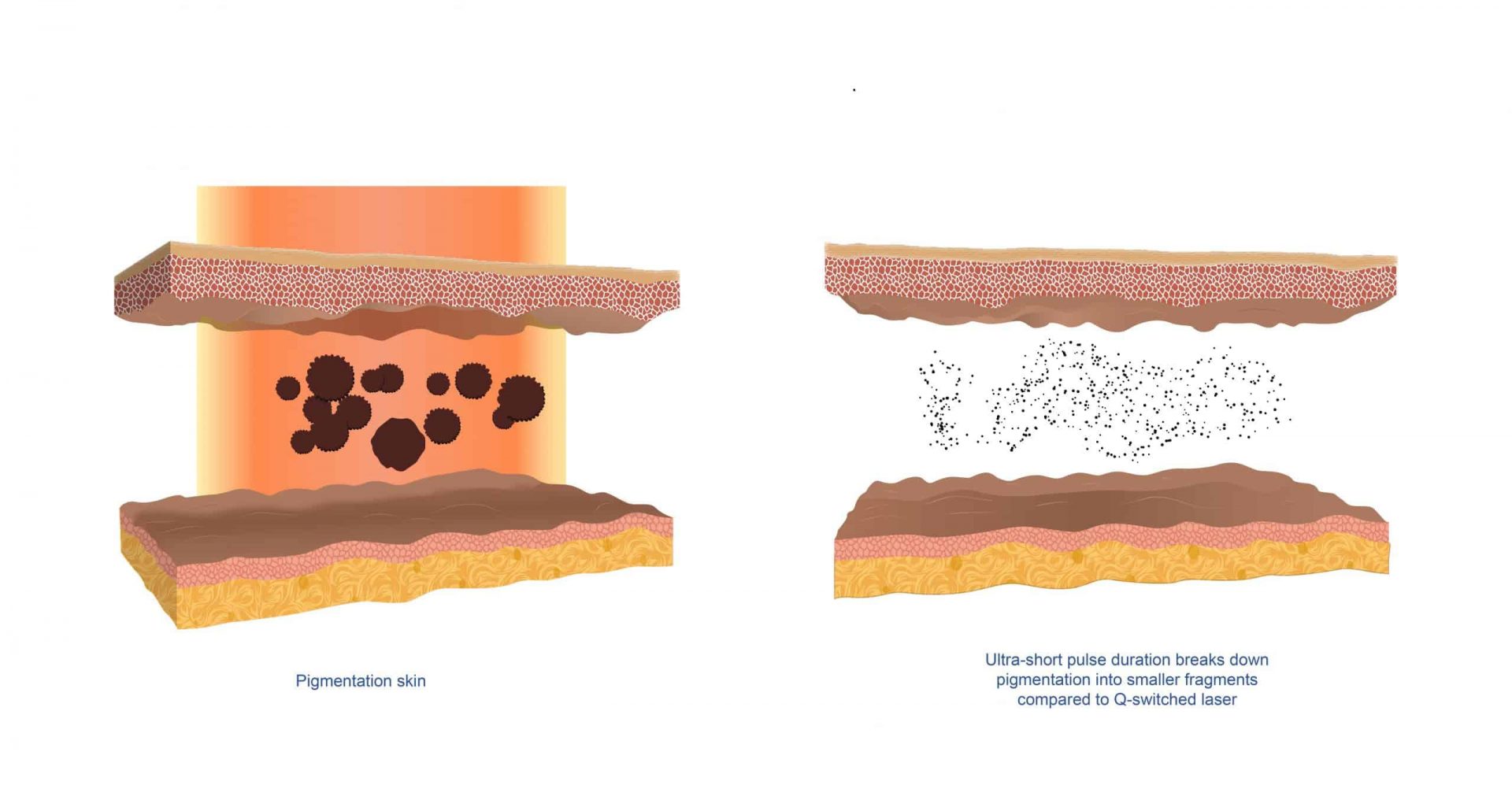
Pico laser is a relatively new procedure available in Singapore to treat melasma and other types of hyperpigmentation. Similar to pulse light treatments, the Pico laser works by breaking down melanin particles. However, it shatters the pigmentation into much smaller fragments, making it easier for the body to clear the affected cells. When applied correctly, the Pico laser is more effective than other laser treatments. Common side effects include redness, pinpoint bleeding, rashes, and crusting in the treated areas.
This improves the process of laser energy, breaking down pigments mechanically, enhancing the laser’s ability to break down pigments into small fragments, which will then be removed by the body’s immune system.
These pulses create micro-cavities in the area, which actively stimulates the production of collagen and elastin fibers. The amount of treatment sessions required depends on the skin condition, but sessions are relatively short compared to Q-switched lasers. The Pico Laser is a popular procedure due to the following benefits:
- Minimally invasive with only minor pain
- Little to no downtime
- Suitable for all skin types
- As a secondary effect, it also rejuvenates the skin.
What Conditions May Be Addressed by Pico Laser?

Acne Scars & Red Acne Marks

Tattoos
Wrinkles
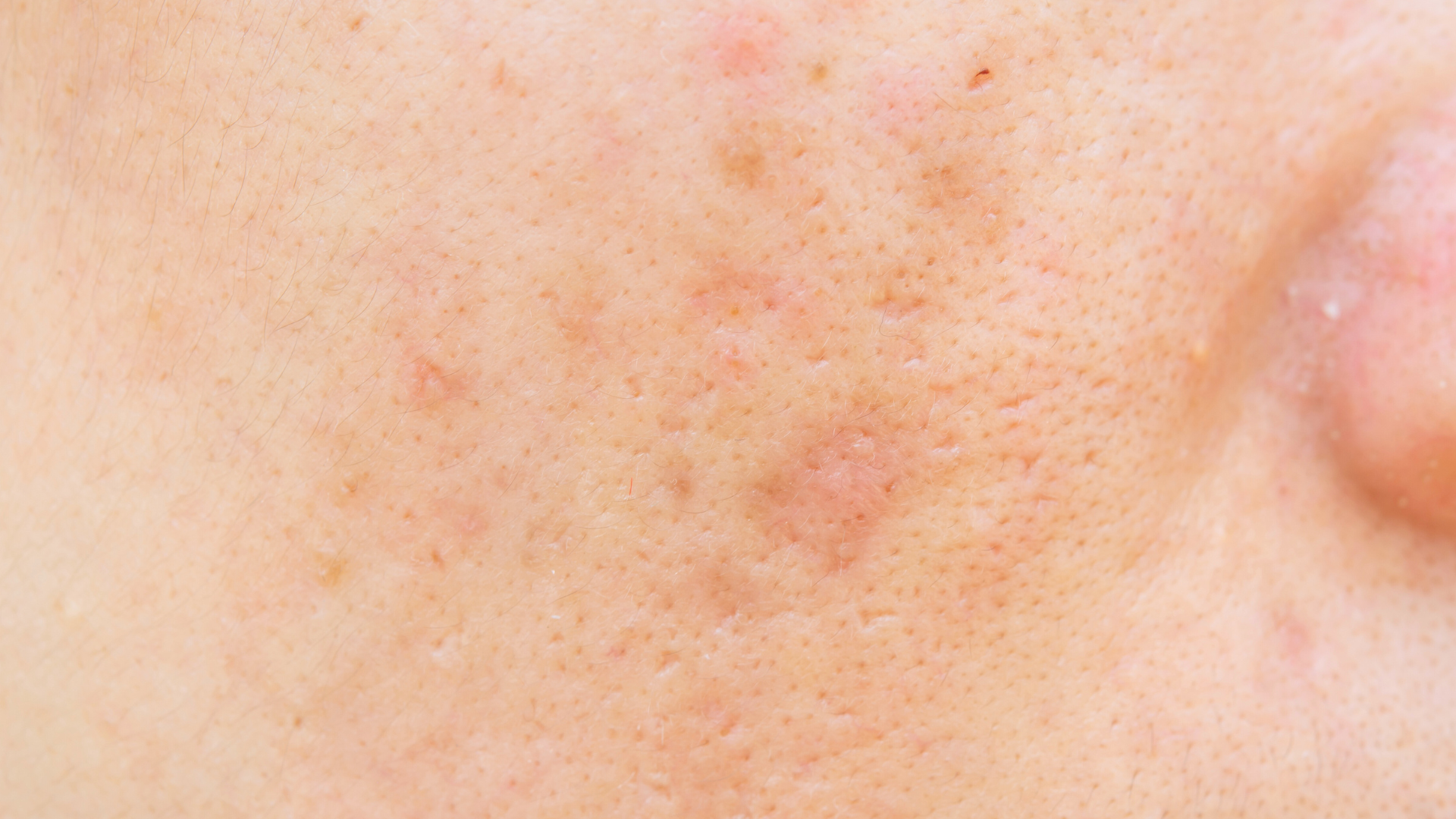
Sun Spots
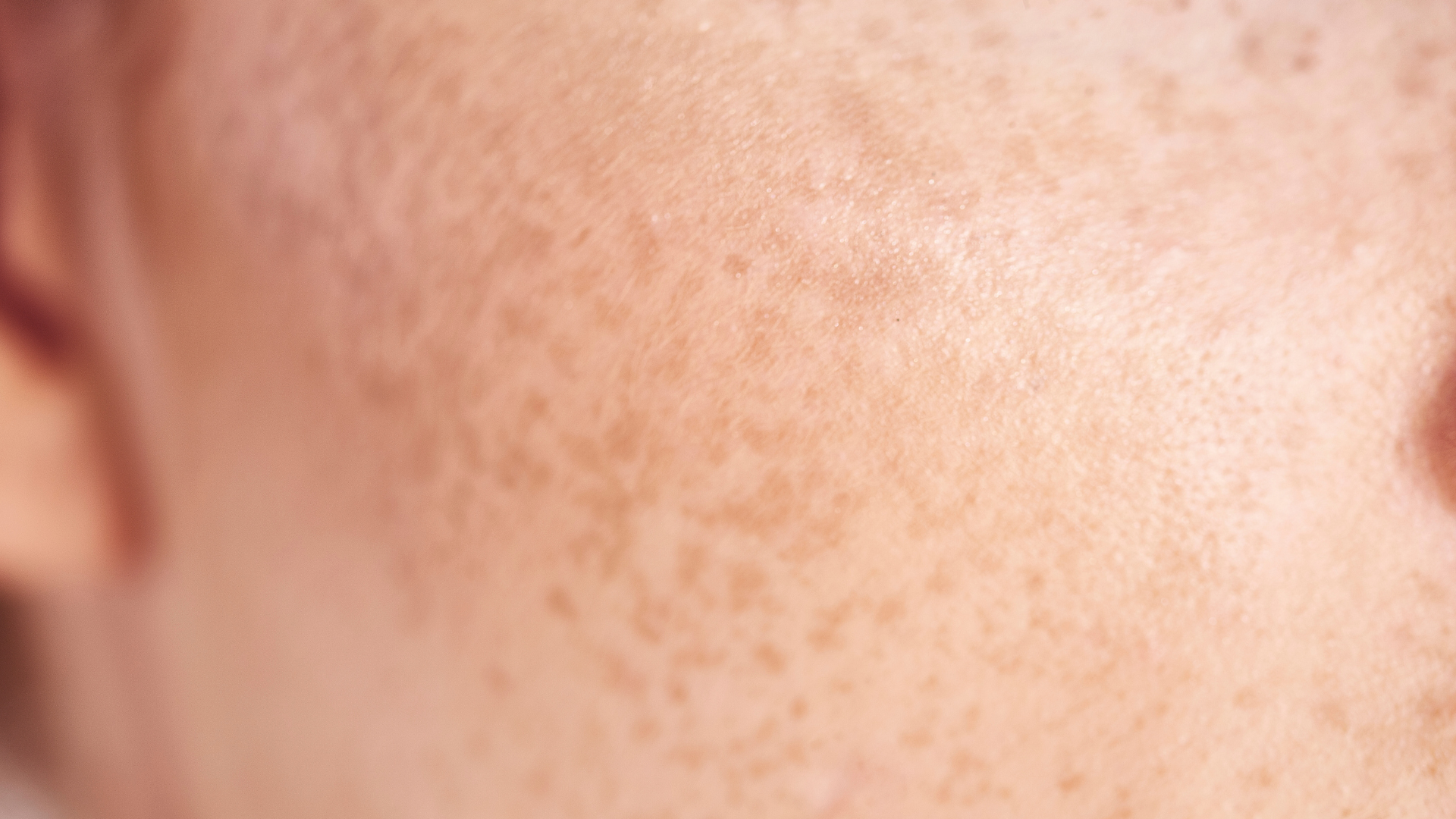
Freckles
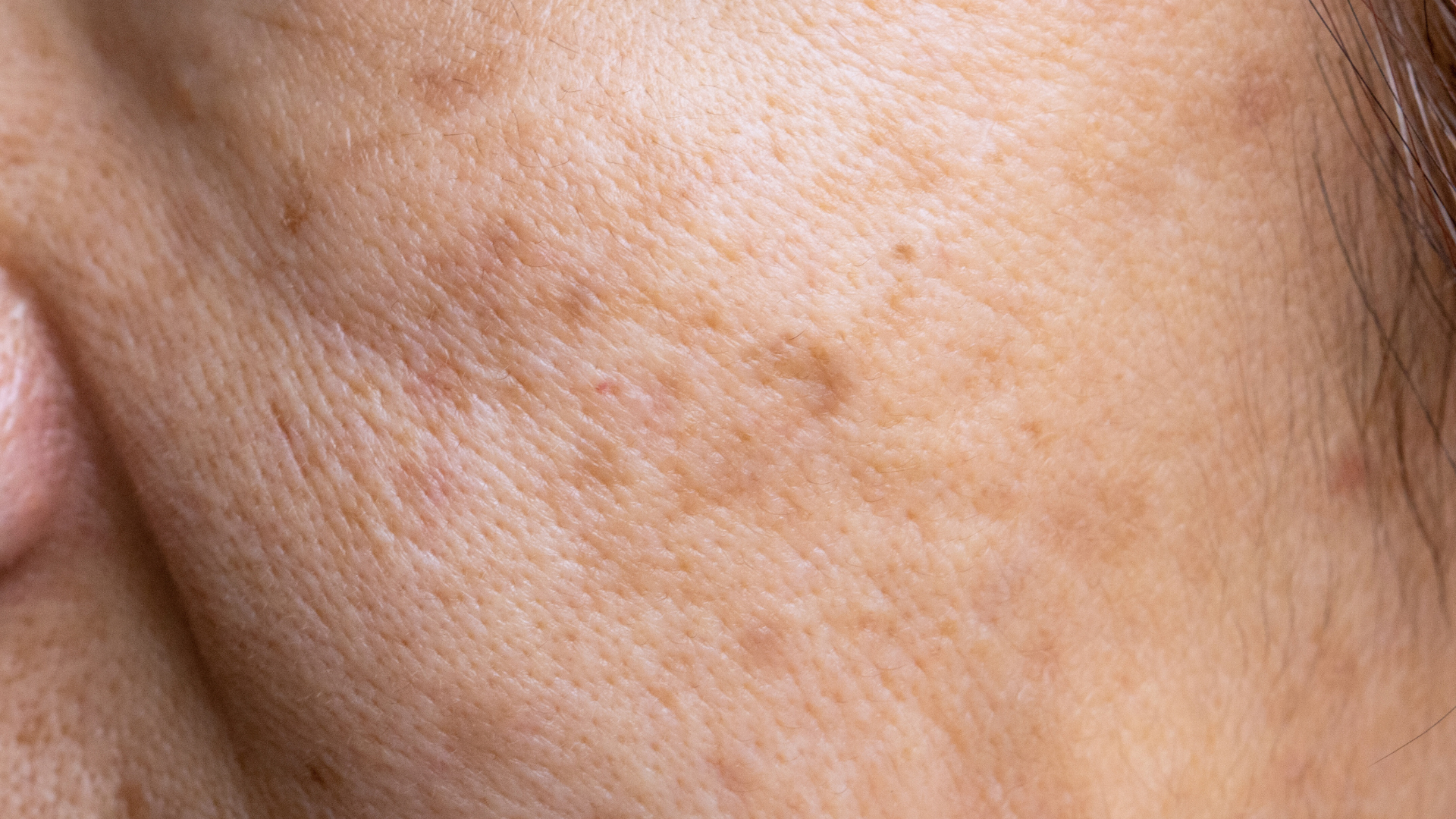
Melasma
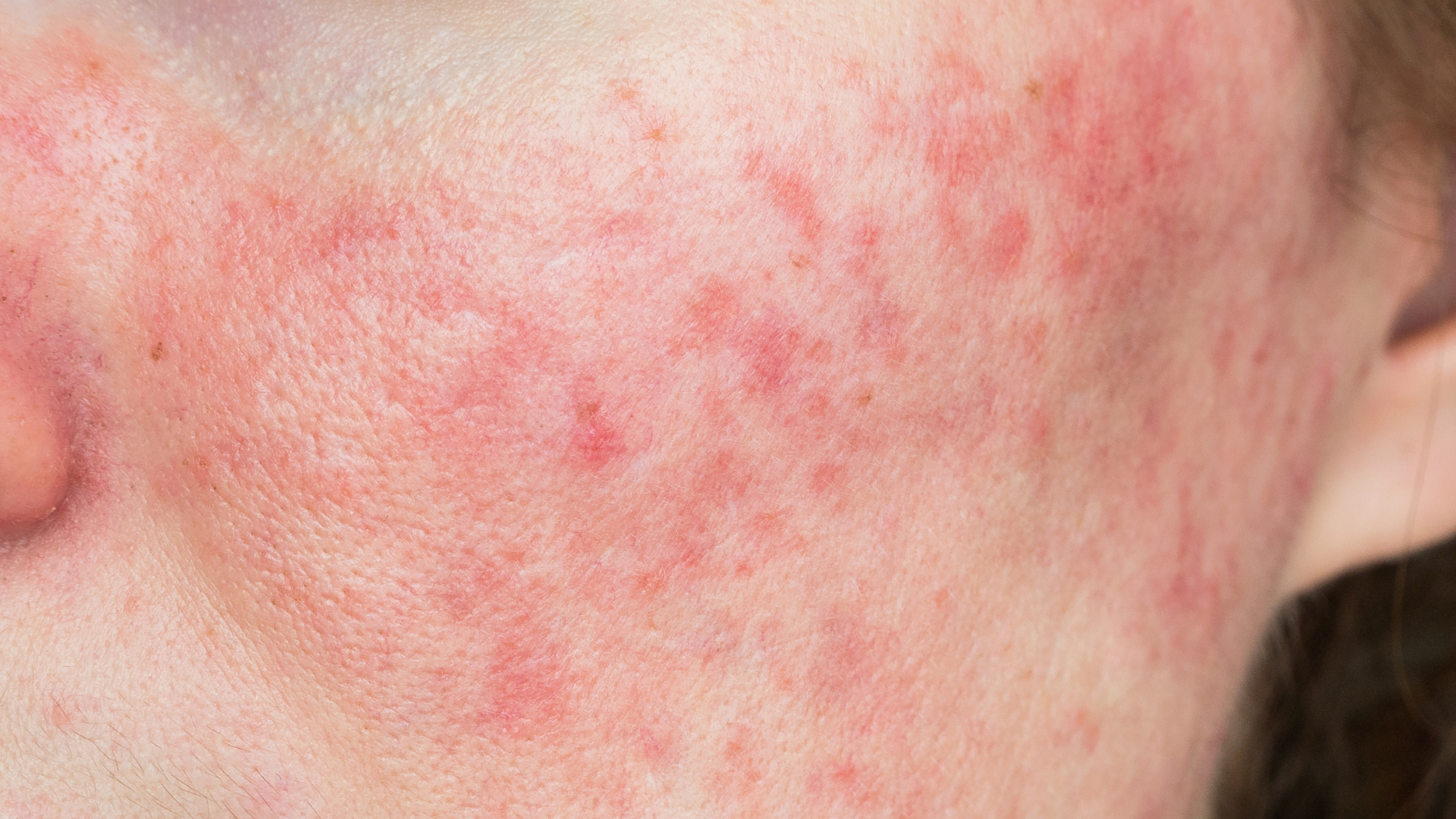
Rosacea
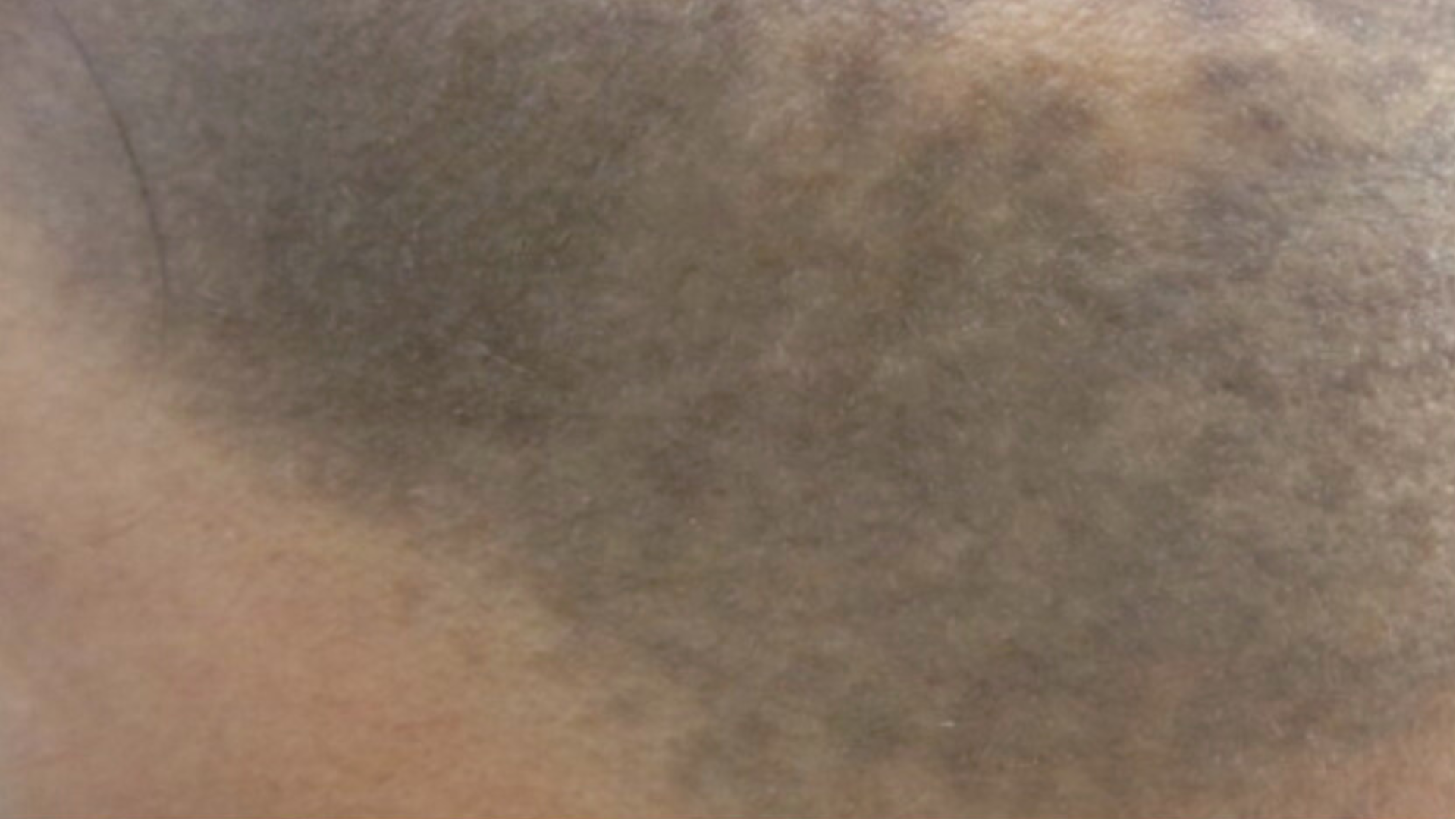
Hori's Nevus
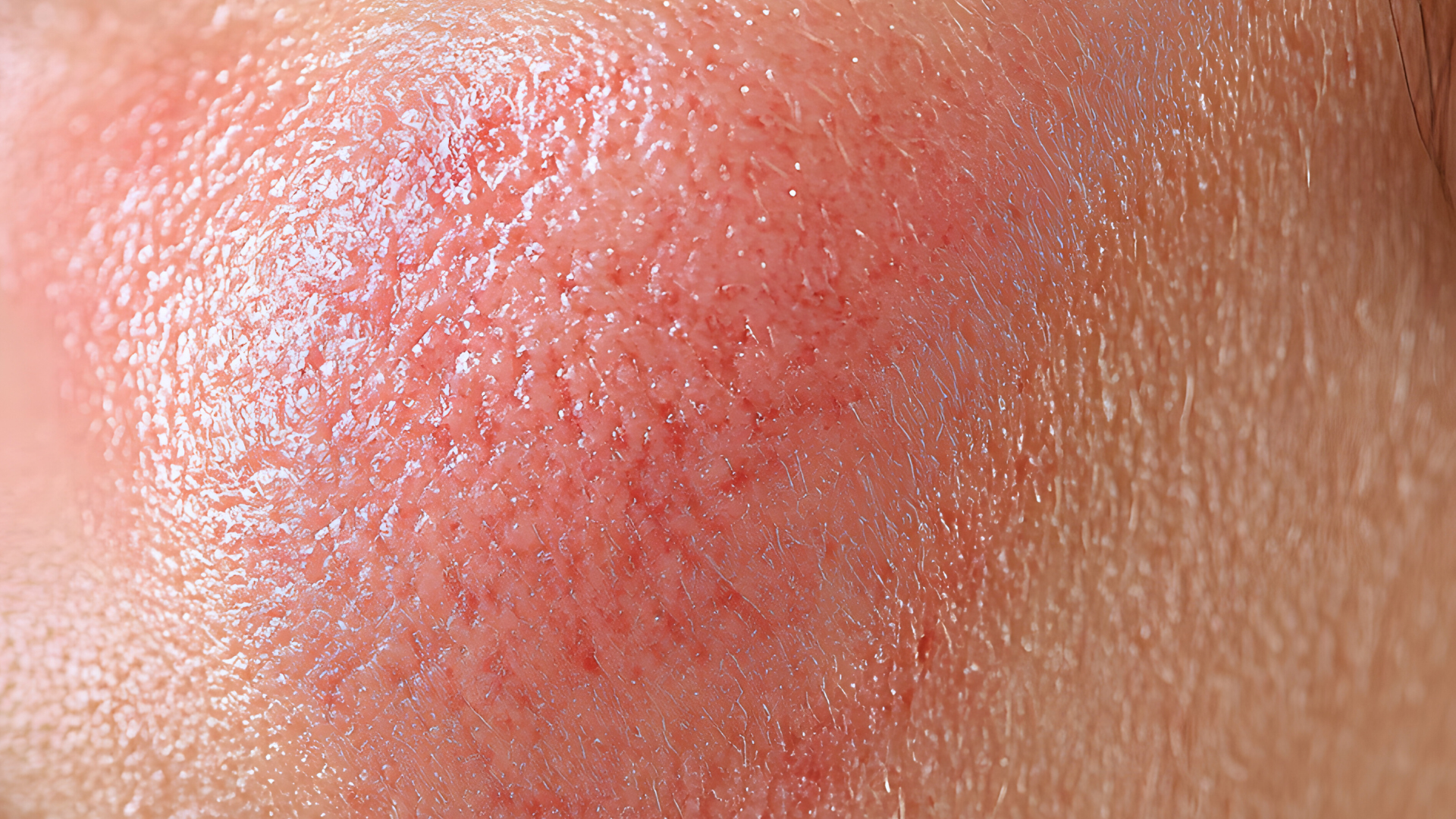
Facial Flushing
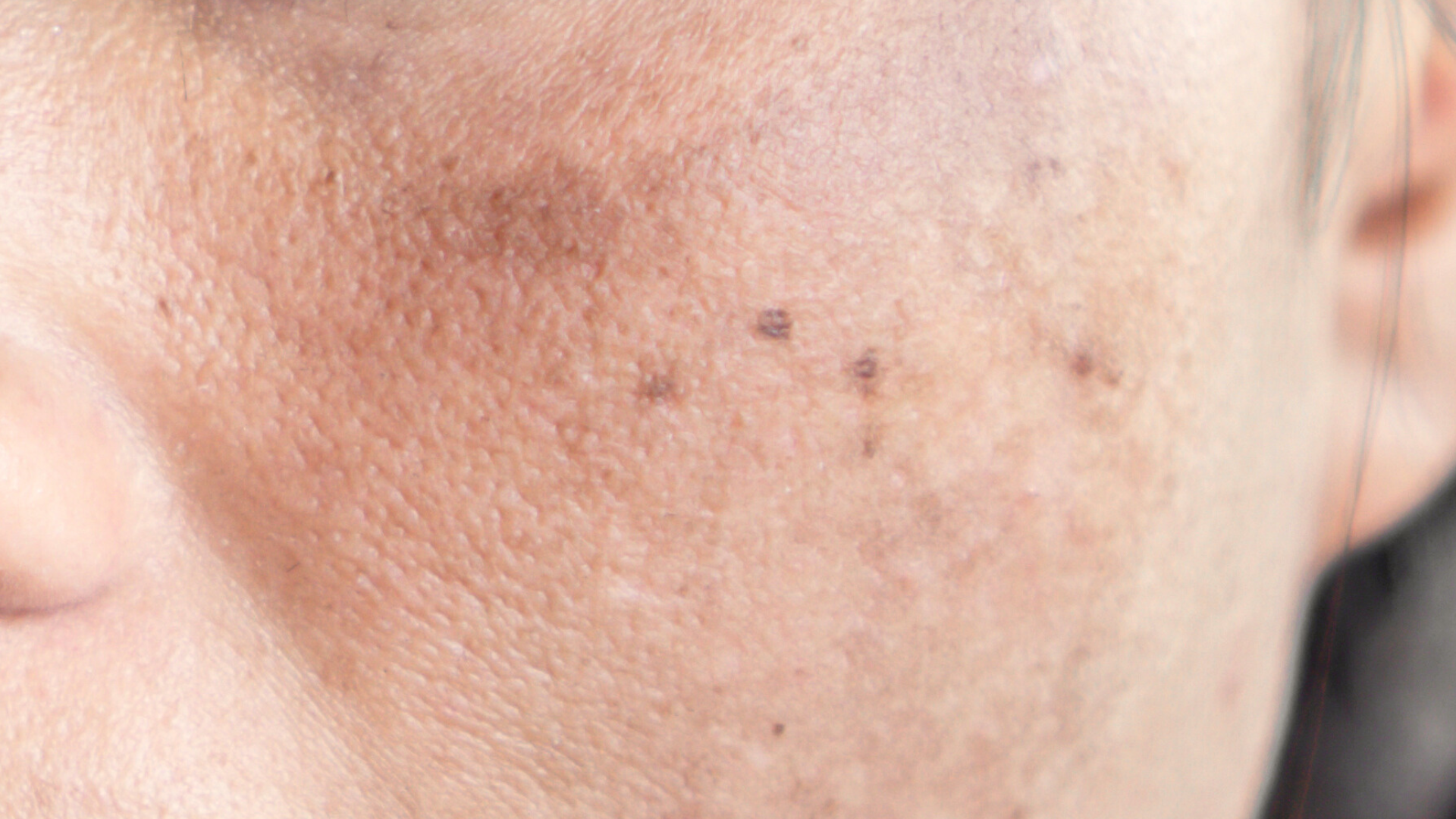
Post-Inflammatory Hyperpigmentation
Complementary Treatment Options
Chemical Peels
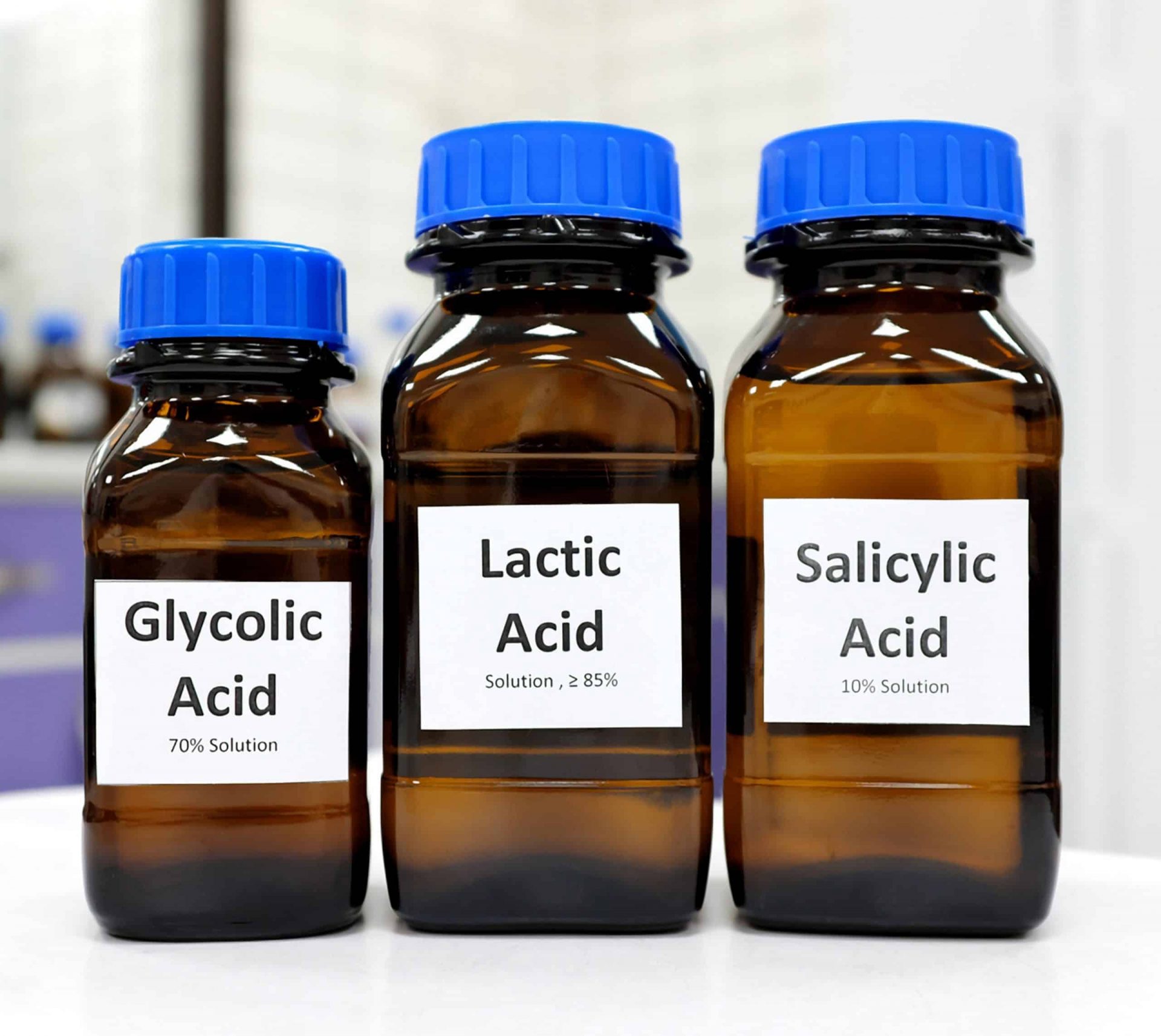
Chemical peels are a non-invasive method suitable for evening out light blemishes and uneven skin tones. Chemical peels are generally safe, if used correctly. It is crucial to understand the different types of chemical peels to make an informed decision and opt for the optimal treatment. During a chemical peel, the superficial layers of the skin are removed by chemical substances (alpha hydroxy acids (glycolic and lactic acid), beta hydroxy acids (salicylic acid), and trichloroacetic acid (TCA).
Superficial Peels
Superficial peels only penetrate only the outer layer of the skin to clear pigmentation. The peels allow for skin improvement while maintaining a low risk of complications. These peels generally require around 3 -7 days of healing time.
Medium Depth Peels
Medium depth peels clear the middle and outer layers of the skin to improve the appearance of skin discoloration. This peeling treatments can be performed repeatedly every few months to maintain the desired complexion.
Medium depth peels generally take one to two weeks to heal.
KKUM Whitening Home Skin Care Program
The KKUM Whitening Home Skin Care Program is designed for people who wish to manage pigmentation concerns as part of their daily routine. It may be recommended as a first step or as part of follow up care after in-clinic treatments. The program combines doctor-prescribed skincare and supplements that support a more even skin tone and overall skin balance.
This skincare program consists of the following products:

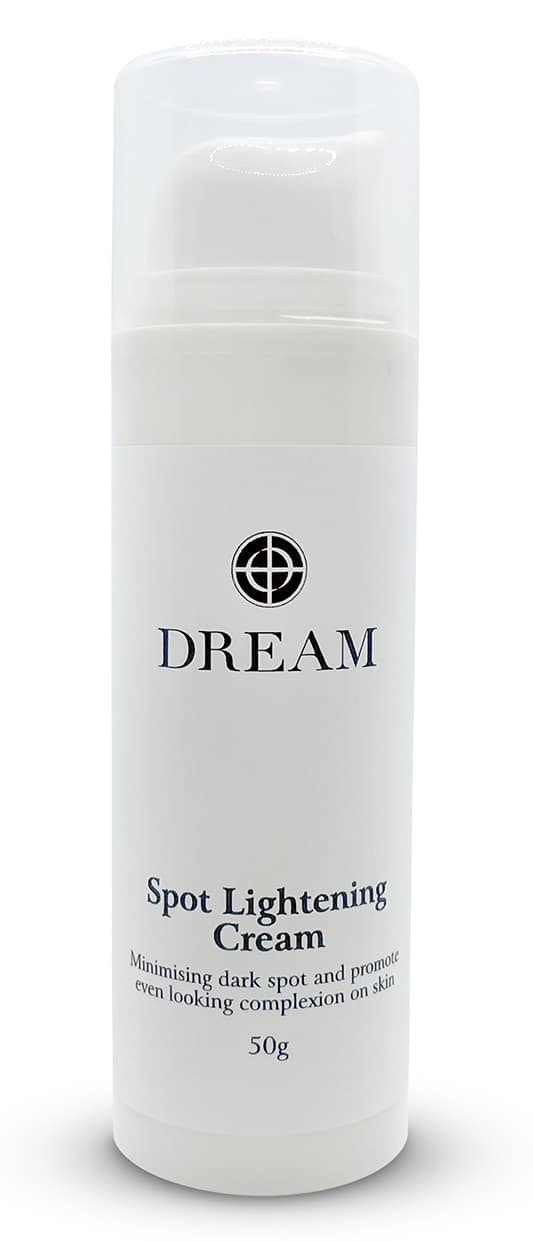
DREAM SPOT LIGHTENING CREAM
This cream may be prescribed to help manage pigmentation concerns such as melasma, post inflammatory pigmentation, and freckles. It contains ingredients including Arbutin, Glycolic Acid, and Cysteamine. Cysteamine is a naturally occurring compound that plays a role in regulating melanin activity. Improvements generally develop gradually with regular use, and response varies between people.
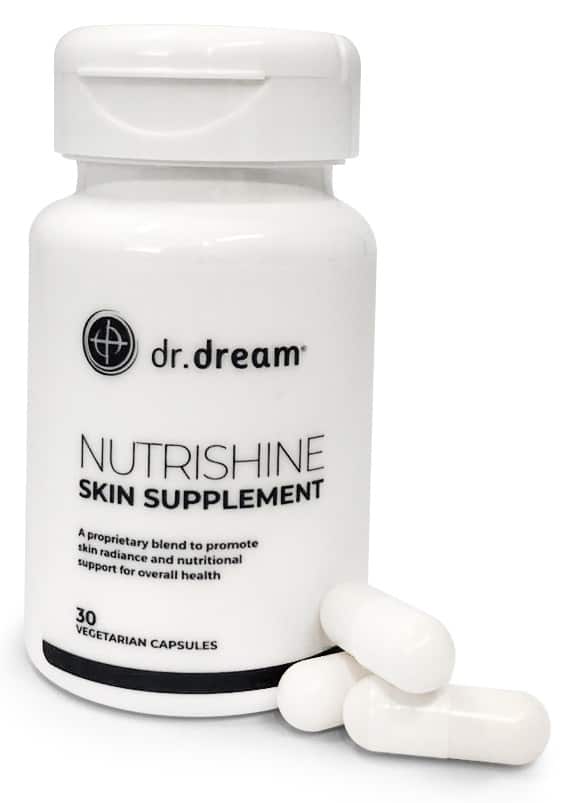
NUTRISHINE SKIN SUPPLEMENT
Nutrishine is a supplement formulated to support skin health through three main functions:
- Enhance Skin Radiance – Includes White Tomato and Glutathione, which have been studied for their role in supporting skin brightening.
- Repair and Restore – Provides a blend of vitamins that help maintain normal skin function.
- Strengthen Skin, Hair and Nails – Contains Biotin, which contributes to the maintenance of healthy skin, hair, and nails.
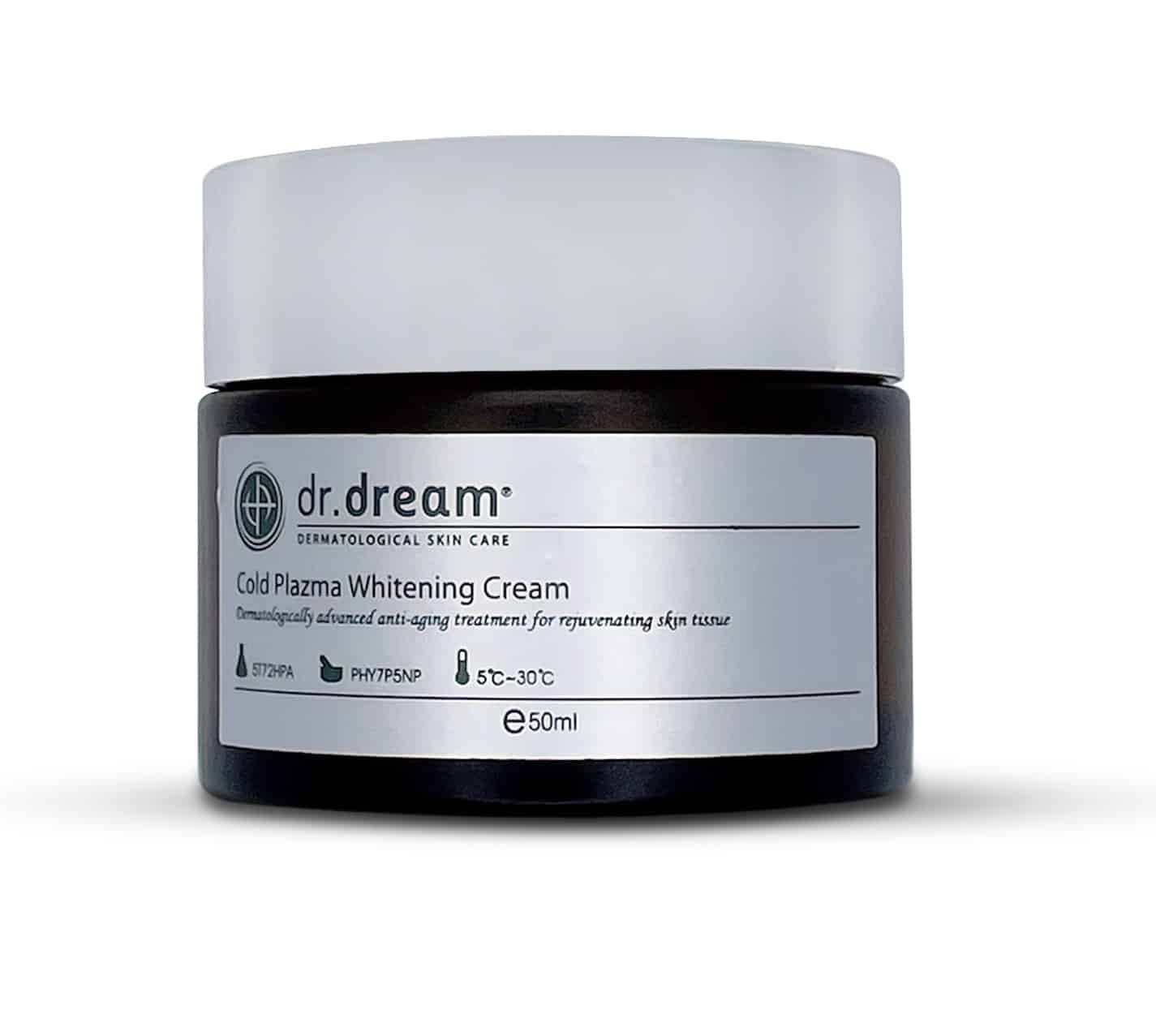
DrDream COLD PLAZMA WHITENING CREAM
Formulated with Galactomyces Ferment Filtrate (80%) and Cold Plazma MGF Complex, this cream is designed to support skin brightening and antioxidant protection. It may also be recommended as part of a home care routine to help maintain skin tone following in-clinic procedures.
TRANEXAMIC ACID
Tranexamic Acid may be prescribed by doctors as part of melasma management. It works by influencing pathways involved in melanin production, including those triggered by UV exposure or hormonal factors. TXA can be given in different forms such as topical application or oral tablets, depending on suitability. The method and duration of use are determined during consultation based on each person’s skin type and condition.
Frequently Asked Questions (FAQ) about Pigmentation Treatment
Is laser pigmentation removal suitable for me?
Generally it is suitable for most people. It is essential to get an accurate diagnosis from medical doctor and to understand the cause of your pigmentation. Only this way, we can derive at an optimal treatment plan.
What else should I know about the laser procedure?
- To protect your eyes, you must wear goggles during the treatment session.
- Sometimes, topical anesthetic can be applied in some in-clinic treatments.
- Avoid scrubbing or scratching the treated area 2-3 days after the laser treatment.
- Avoid the application of abrasive skin care products, such as acidic cleansers.
Can pigmentation be treated on all areas of my body?
Yes, pigmentation can be effectively and safely treated on any area of the body, including sensitive regions. Common treatment areas include the face, neck, arms, and chest.
Can you treat all areas of my body?
Yes, pigmentation can be effectively and safely treated on any area of the body, including sensitive regions. Common treatment areas include the face, neck, arms, and chest.
Are any of the aforementioned therapies painful?
The pain level in laser treatment is generally minimal or painless. The feeling during the treatment is often described as warmth or slight tingling. After the treatment, light soreness may occur, which usually disappears within a day.
Laser treatment is particularly suitable for pain-sensitive people.
How much does it cost to treat pigmentation?
In Singapore, depending on the type of laser treatment involved, each session ranges between $250 – $500 SGD. Usually, it requires repeated treatments of 4-6 weeks interval till desired result achieved.
Is There Anything That Can Prevent Post-Inflammatory Hyperpigmentation From Getting Worst?
Post-inflammatory hyperpigmentation can be prevented by taking some measures like:
- Application of adequate amount of sunscreen whenever going out to prevent possible damage from the sun rays that may trigger the condition.
- Wear a hat whenever you are exposed to direct sunlight.
- Follow the proper skincare routine that is suggested by your doctor.
- Try to keep the acne under control as with every new pimple, the risk of getting a dark spot increase.
- Look for any reaction to any cream or lotion you are using as a treatment.
- Report your doctor whenever you notice any irritation or redness on your skin.
- Consult or book an appointment with a doctor as soon as you see dark patches on your skin to get treatment before things get worse.