

HIFU Treatment In Singapore
What Is HIFU Treatment?
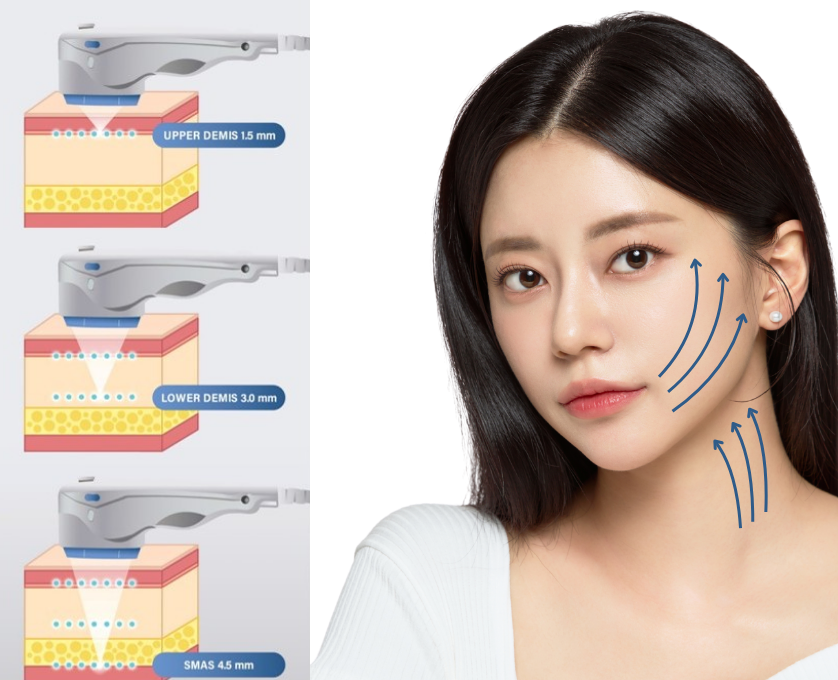
HIFU, or High Intensity Focused Ultrasound, is a non-invasive procedure that uses focused ultrasound energy to target deeper layers of the skin. It is commonly considered for skin tightening, facial rejuvenation, and as a non-surgical facelift option.
In Singapore, HIFU treatment is often sought by those exploring alternatives to surgery. It does not involve incisions, requires minimal downtime, an does not leave visible scars.
The ultrasound energy heats target tissue at specific depths, stimulating collagen production and supporting gradual lifting and firming. Collagen is a protein that maintains the skin’s elasticity and structure. As its natural production decreases with age, the skin begins to lose firmness and sag.
How Does HIFU Work?
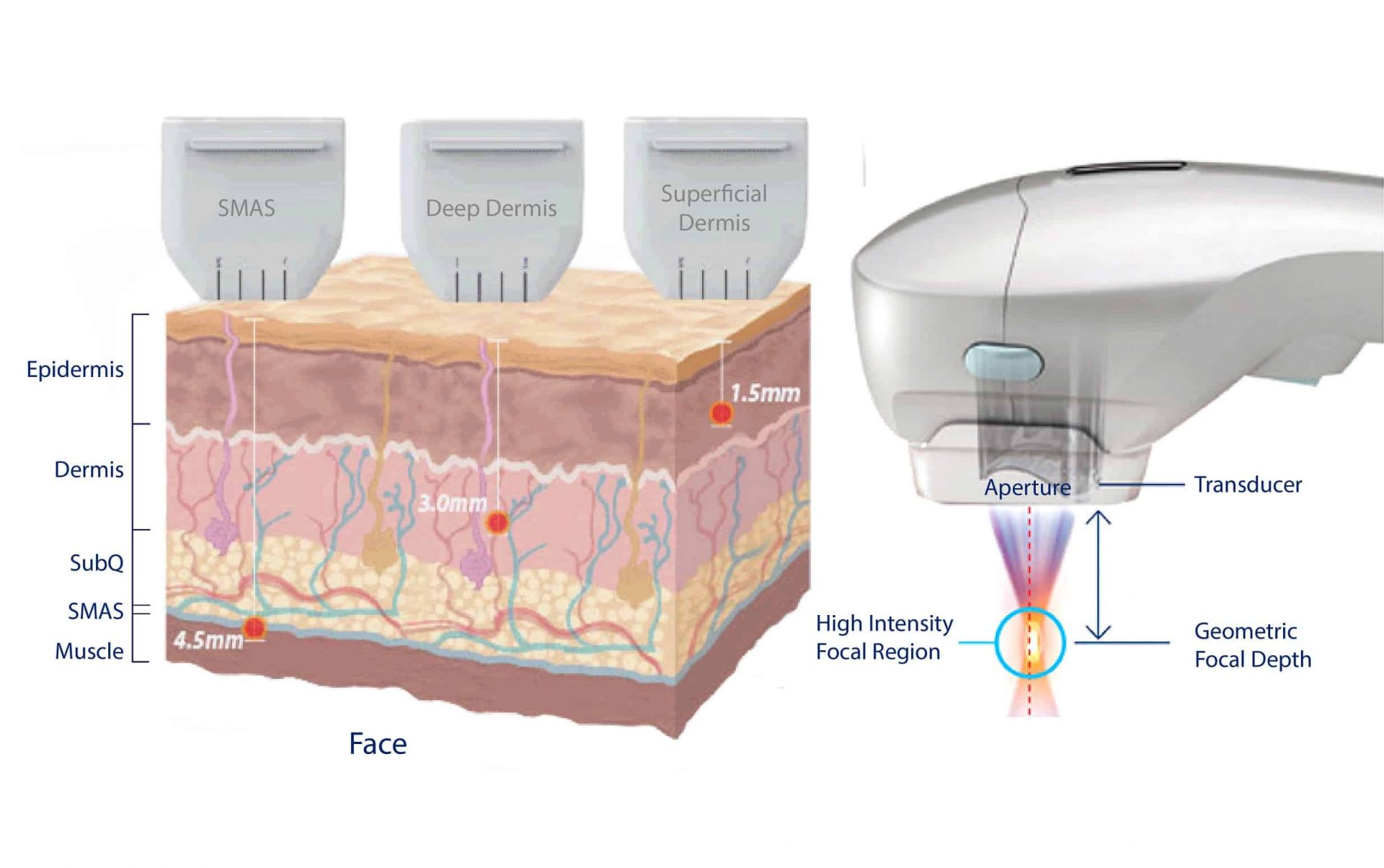
HIFU delivers focused ultrasound energy beneath the skin surface, creating controlled heat zones that trigger a natural repair process. This stimulates new collagen production.
The skin surface remains unaffected as the energy bypasses the outer layer and targets deeper tissues, reducing the risk of surface damage.
HIFU is often applied to areas prone to skin laxity such as the neck, chin, jawline and brow. Some may experience temporary redness, swelling, or mild discomfort, which usually subsides shortly after treatment.
Is HIFU Suitable for Me?
HIFU may be suitable for those noticing early signs of ageing or reduced skin firmness. It is commonly considered by those who prefer a gradual, non-surgical approach to facial contouring or skin maintenance. The number of sessions recommended may vary depending on skin condition and treatment goals.
Types of HIFU Treatment at Dream
Ulthema
What Is It?
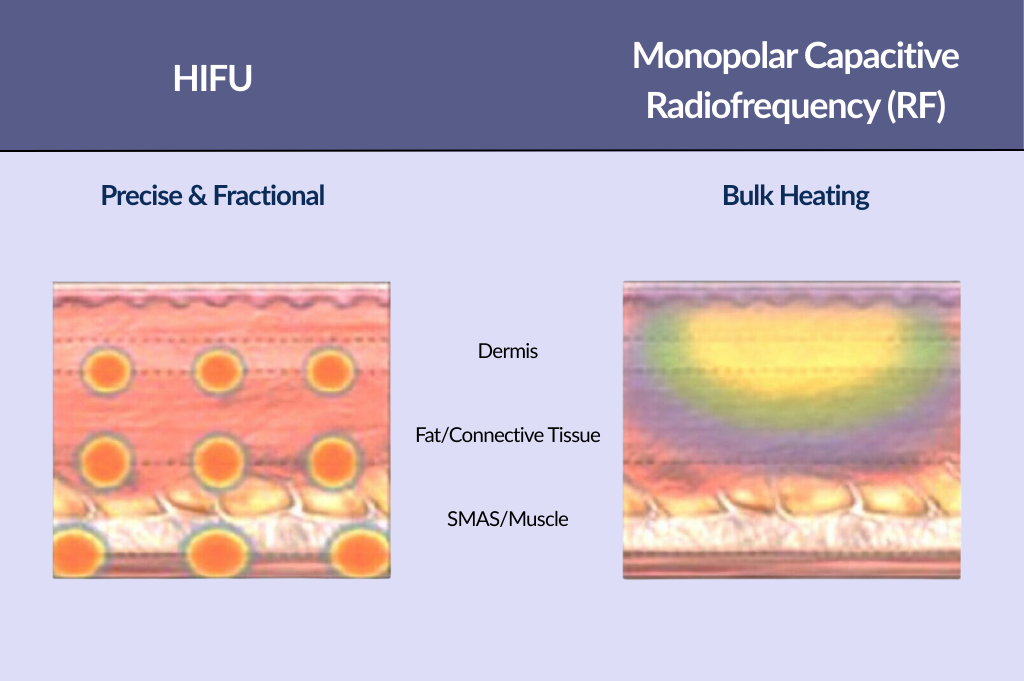
Ulthema combines both high intensity focused ultrasound and radiofrequency (RF) treatment to tighten skin and contour facial areas.
The HIFU penetrates into the dermis to stimulate collagen rebuilding, while RF treatment helps minimise wrinkles and soften facial lines.
Who Is It Suitable For?
Ulthema is often recommended for those with mild to moderate skin laxity or facial fat. It may be suitable for those experiencing wrinkles, loose skin, or facial lines on the face, neck, or chest.
How Often Should I Do It?
A maintenance session may be considered every 12-18 months, depending on clinical assessment.
Woolssaela
What Is It?
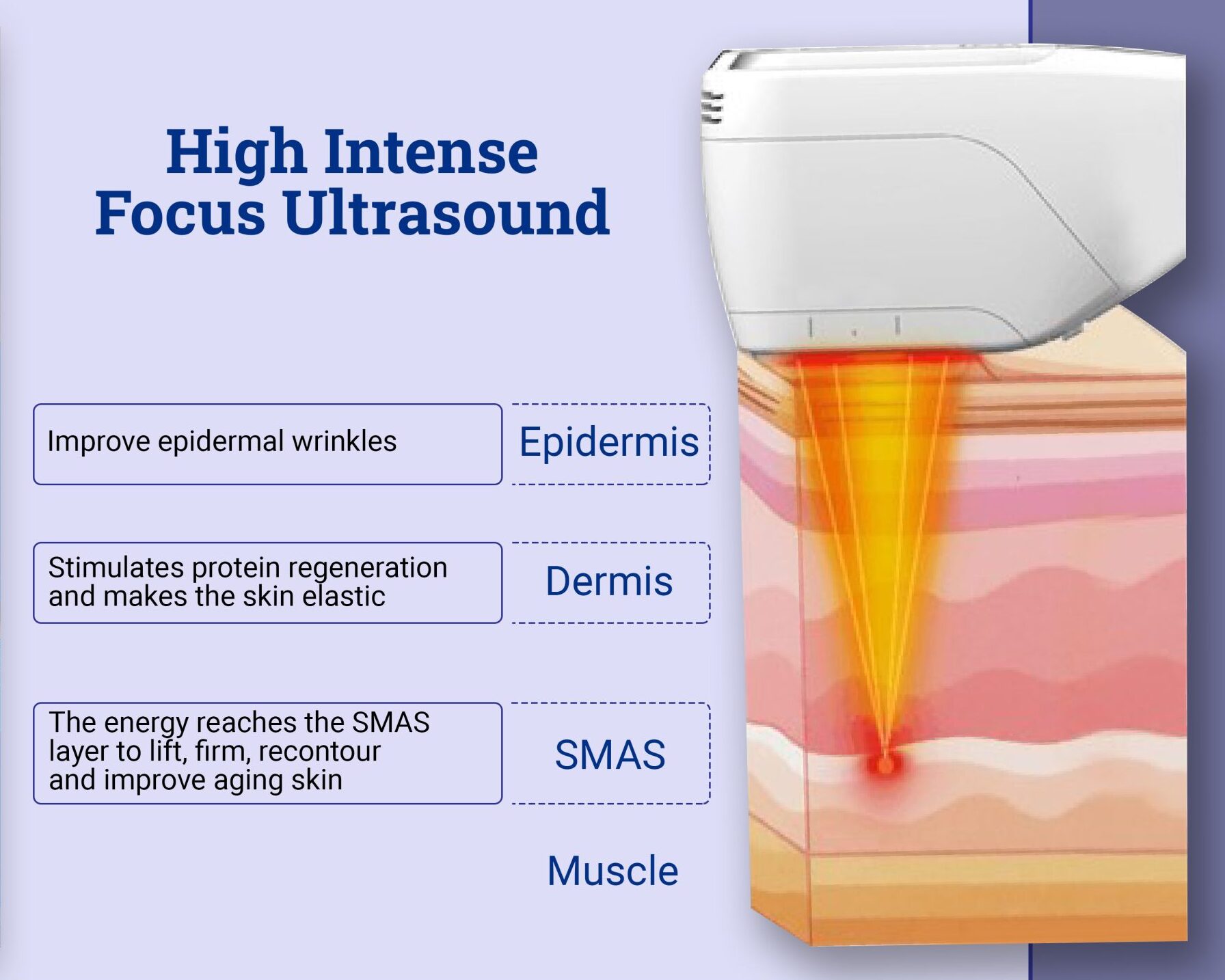
Woolssaela is a type of HIFU treatment that uses concentrated ultrasound waves to promote natural collagen production in the skin.
It focuses on skin tightening and improving elasticity. By stimulating collagen growth, Woolssaela supports skin rejuvenation and may help improve contours over time.
Who Is It Suitable For?
Woolssaela is generally considered for adults, especially for those in their 30s or above with moderate skin laxity. It may also be suitable for women after childbirth to address loose or sagging skin on different body areas.
How Often Should I Do It?
This treatment may be considered once a year or every 18 months for maintenance, depending on clinical assessment.
Common HIFU Treatment Areas in Singapore
HIFU Treatment may be applied to:
- Crow's Feet (Eye Corners)
- Droopy Eyelids (Eyebrows)
- Heavy Cheeks
- Double Chin
- Facial Contouring
- Saggy Neck
- Chest / Décolletage
- Smile Lines
- Forehead & Fine Wrinkles
- Forehead and Brow: Helps lift the brows and reduce forehead wrinkles.
- Cheeks: Improves skin laxity, offering a subtle lift.
- Jawline and Chin: Targets sagging or drooping skin, reducing the appearance of a double chin and creating a more defined jawline.
- Neck: Addresses sagging skin and wrinkles on the neck, often referred to as “turkey neck.”
- Nasolabial Folds: Softens the lines around the mouth and nose.
Who May Be a Suitable Candidate for HIFU?
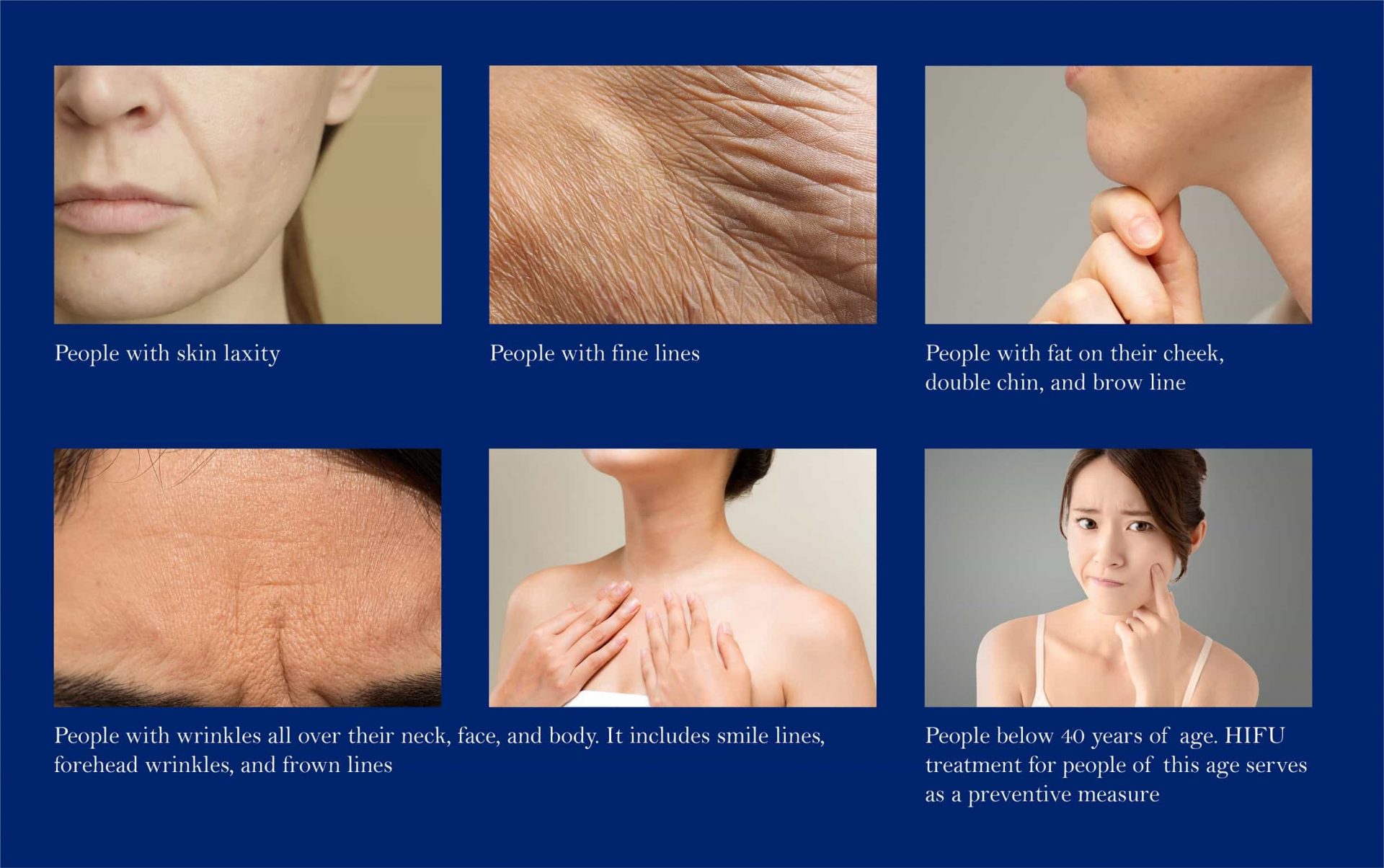
HIFU may be considered by people with:
- Skin laxity
- Fine lines
- Sagging facial skin
- Wrinkles on the face, neck or chest
- Fat deposits on the cheeks, double chin, or brow line
It may also be considered by those below 40 years old as a preventative treatment against visible ageing.
Understanding HIFU Treatment
-
Non-surgical and non-invasive approach
HIFU does not involve incisions. -
Minimal downtime
Most are able to resume activities shortly after. -
Collagen stimulation
Ultrasound energy activates collagen production in deeper layers. -
Support for contouring
May improve facial definition at the chin and jawline. -
Commonly considered for skin laxity
Often explored for fine lines or moderate sagging. -
Outpatient procedure
Performed in a clinic without surgical theatre use. -
No radiation exposure
Uses ultrasound energy, not ionising radiation. -
Tailored application
Treatment is adjusted based on clinical assessment.
What to Expect During and After HIFU

Non-Invasive Process
A handheld device delivers ultrasound energy to targeted layers of the skin. No incisions or injections are involved.

Comfort During Treatment
Most describe the sensation as warmth or mild tingling. Comfort level varies with the treatment area and individual sensitivity.

No Downtime Required
Most resume daily routines immediately as no dressings or wounds are involved.
General Cost Information for HIFU in Singapore
The cost of HIFU treatment in Singapore generally ranges from $500 to $2,500 per session, depending on the treatment area and clinic protocol.
| Treatment Area | Price Range | Description |
|---|---|---|
| Jawline / Chin | $500 – $800 | Suitable for targeting mild skin laxity |
| Cheeks / Mid Face | $700 – $1,200 | Helps lift and define facial contours |
| Full Face | $1,200 – $2,000 | Addresses multiple facial zones |
| Full Face + Neck | $1,500 – $2,500 | Comprehensive lift and tightening |
Note: Consultation with a licensed provider is required for an accurate quotation.
Why Choose Dream Aesthetics & Plastic Surgery for HIFU in Singapore
1. Personalised Assessment
Each treatment plan is tailored based on an individual’s skin condition and clinical needs.
2. Qualified Medical Team
HIFU procedures are carried out by board-certified plastic surgeons with recognised training.
3. Structured Consultation Process
A detailed examination is performed before treatment to determine which areas may be most suitable for HIFU.
Read more
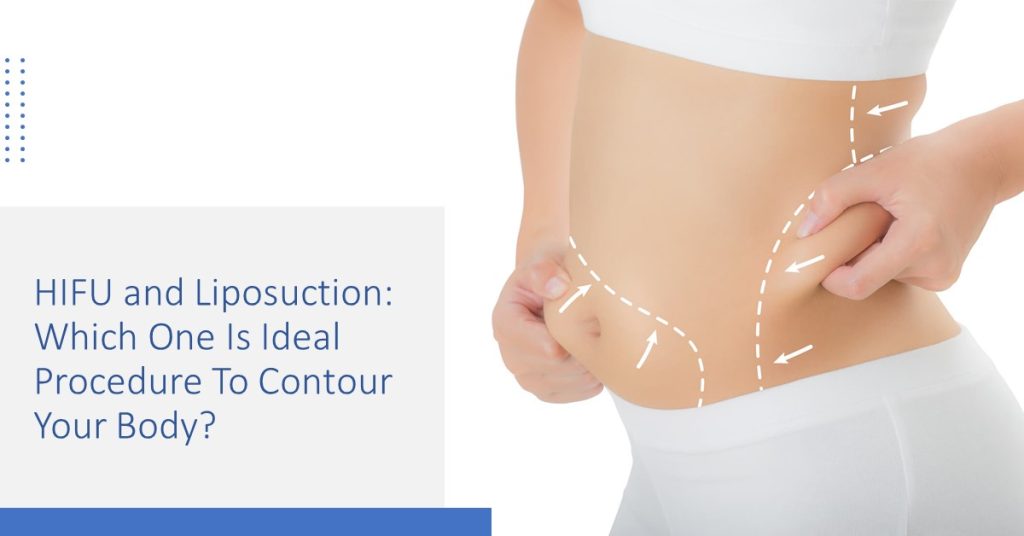
Hiding bulges beneath Spanx and jackets, spending hours on the elliptical machine..
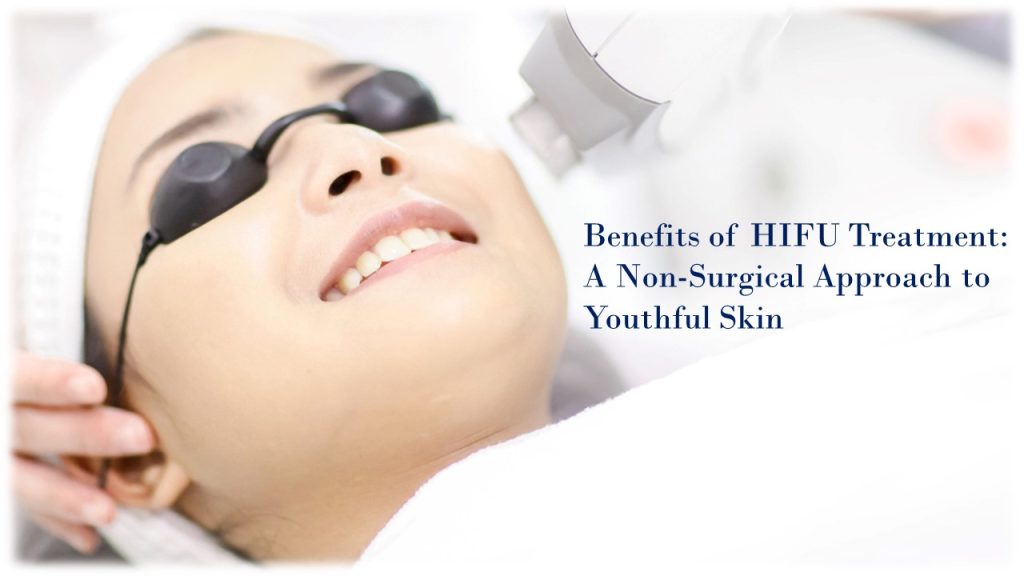
High-Intensity Focused Ultrasound (HIFU) is a non-invasive medical procedure gaining attention…
Frequently Asked Questions (FAQ) about HIFU in Singapore
How long does the HIFU treatment take to complete?
The duration of the HIFU treatment depends on the type you choose. However, it mostly takes 30 – 45 minutes, whereas the more detailed procedure would require a maximum of 120 minutes.
How much does HIFU cost in singapore?
The cost of HIFU treatment in Singapore typically ranges from S$500 to S$3,000 per session. Pricing may vary depending on several factors, such as the area being treated, the type of device or brand used (e.g. Ultraformer, Ultherapy), and the number of treatment depths applied during the session.
It is recommended to consult the clinic for an accurate quote based on your skin condition and treatment goals.
When will I see results?
Some may notice early changes within a few weeks after the session, typically around four to six weeks, as collagen activity begins to increase. Improvements often continue gradually over the next few months and may be observed for up to six months after treatment. The rate and extent of improvement can vary depending on skin condition and treatment response.
How long does the HIFU treatment results last?
The effects of HIFU may last between six to twelve months, depending on factors such as skin condition, age, and lifestyle. As collagen production naturally slows over time, some choose to repeat the treatment or explore other supportive options after several months.
A follow-up session may be considered to maintain the outcome, based on the doctor’s assessment.
Is HIFU treatment safe?
Yes, HIFU treatment is generally considered safe when performed by a trained professional. Since it is a non-invasive procedure, the risks are lower compared to surgical options.
Are there any side-effects of HIFU treatment?
Most people experience minimal side effects, such as mild redness, swelling, or discomfort, which typically subside shortly after treatment. However, it is important to consult with a qualified practitioner to ensure the treatment is suitable for your skin type and individual needs.